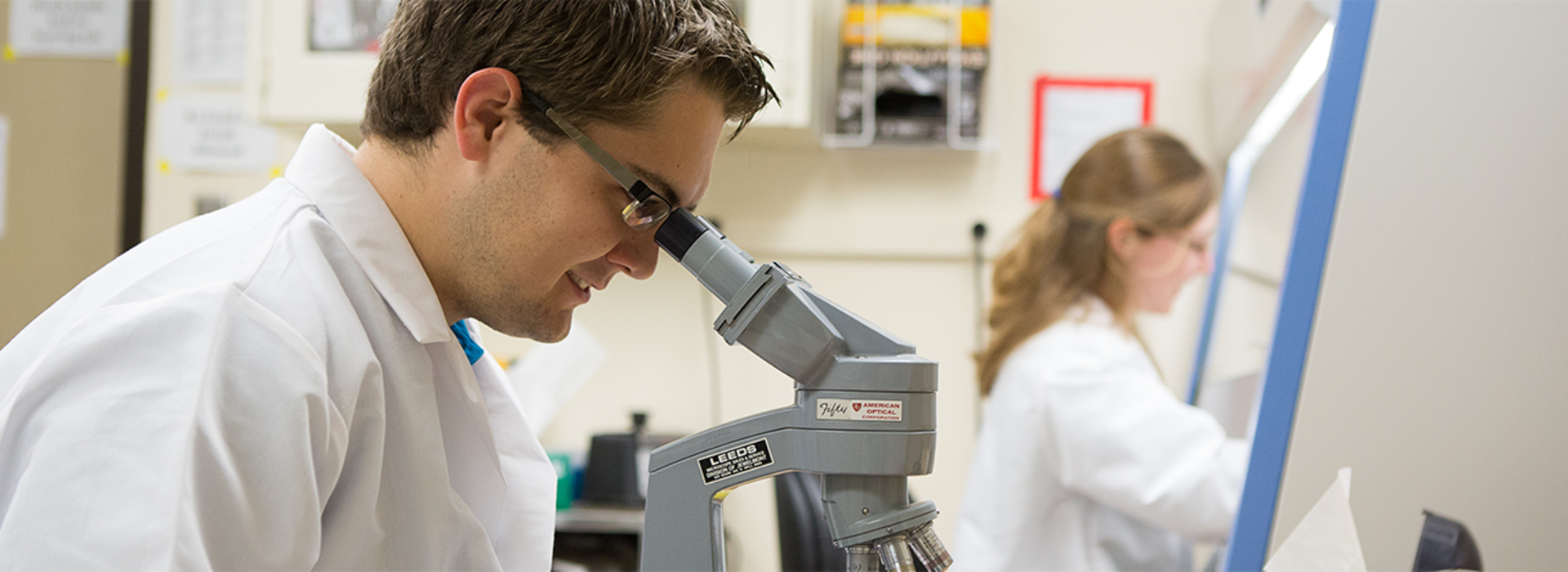
Excellent in Research | Advancement of Learning
Our department supports the broader mission of the Duluth campus and the medical school with a focus on neuroscience, multidisciplinary research and health issues relevant to rural communities and populations facing greater obstacles.
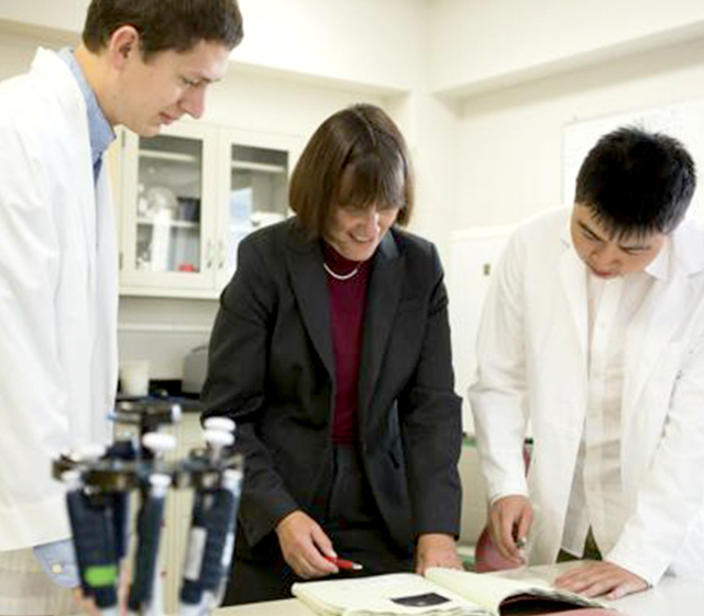
The Integrated Biosciences Program offers MS and PhD degrees in broader biological sciences. The Gateways to Medicine and Research MS Program offers two MS tracks for students interested in medical school (1-year Plan B MS) and those interested in biomedical research (2-year Plan A MS). UMD undergraduate students will be able to complete supported research experiences through UROP.
*University of Minnesota graduate students who are hired as Graduate Assistants in the Department of Biomedical Sciences are paid a minimum hourly rate of $27.95.
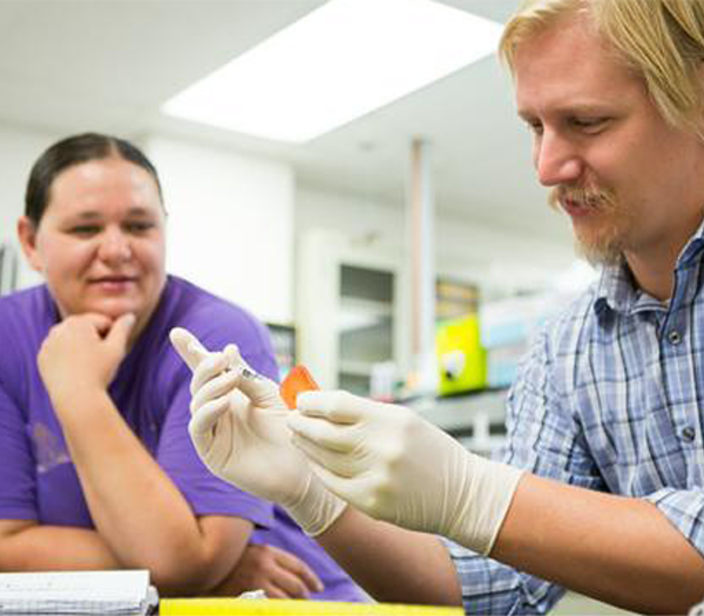
The multidisciplinary faculty in Biomedical Sciences explore the molecular, cellular, and physiological mechanisms underlying human disease, with a focus on neuroscience and health issues relevant to rural communities facing greater obstacles.
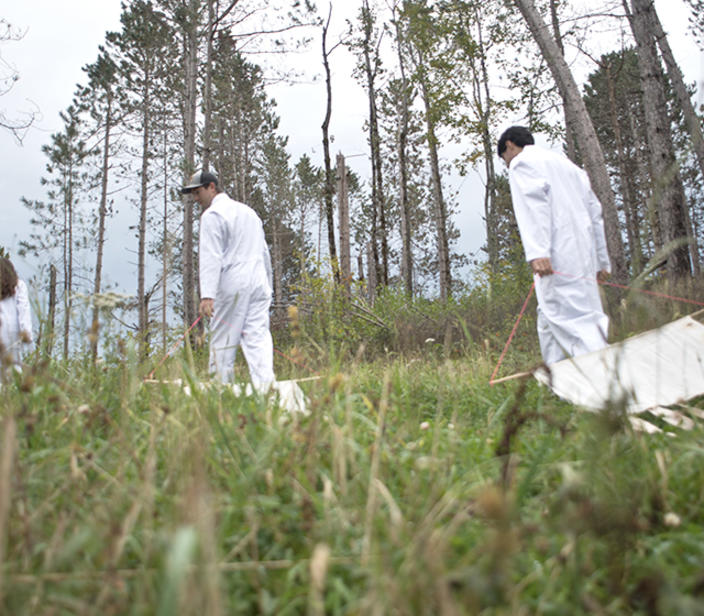
Faculty in Biomedical Sciences engage communities throughout the state by bringing neuroscience activities to grade school students during Brain Awareness Week, strengthening health and science education in Northland communities facing significant challenges, and recruiting citizen scientists to support Lyme Disease research.
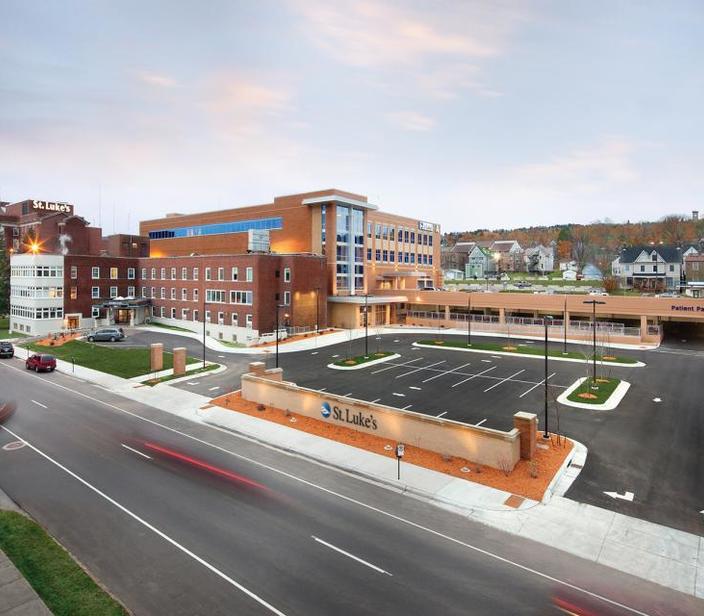
The vision of Neuroscience North is to facilitate research collaborations in the Duluth Area, including the University of Minnesota and healthcare systems. Neuroscience North will provide the framework for the University of Minnesota as a leader in neuroscience-based training, health care initiatives, education and scholarly research.

Department Head, Detlef Heck, PhD
Our department supports the broader mission of the Duluth campus and the medical school with a focus on neuroscience, multidisciplinary research and health issues relevant to rural and Native American communities. We are committed to fostering excellence in research and the advancement of learning and knowledge through scholarship; to deliver the basic science curriculum for medical, graduate, and undergraduate students.
