Residency Program
Ready to apply?
Application materials must be submitted through the Electronic Residency Application Service (ERAS). Medical school graduates will have received tutoring for how to navigate this service from their schools. Applicants must also register with the National Residency Matching Program.
What to expect as a resident
Making you the best neurosurgeon you can possibly be demands diversity and depth in clinical exposure. Your education is well balanced and well supervised at four clinical sites.
Resident's clinical program includes Neuro-Oncology, Stereotactic and Functional Neurosurgery, Neurosurgical Trauma and Critical Care, and Pediatric Neurosurgery.
Your case load will cover the entire spectrum of the neurosurgical practice, including common conditions and the most complex subspecialty problems.
Why the U of M?
Since our inception more than 75 years ago, 15% of our graduates have gone on to lead neurosurgery departments around the world. We have worked hard to provide an intimate, multi-faceted neurosurgical training experience. We care deeply about your training and will give you many opportunities to develop your skills.
We're not resting on our laurels. This is a dynamic environment that encourages you to add your voice to our evolution. We're going somewhere. Come with us.

Program Leadership
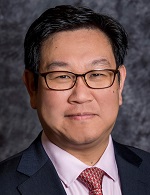
Residency Program Director

Associate Program Director
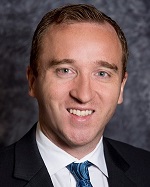
Assistant Director
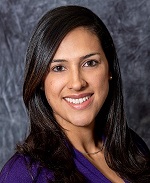
Assistant Director