
Graduate Programs
Considering graduate study in immunology?
The University of Minnesota offers several graduate programs that specialize in immunology. CFI has over 75 faculty members from both basic science and clinical departments to provide a broad-based education in immunological research, preparing our students for a wide range of career opportunities.
Learn about graduate programs in immunology
Visit each program for deadlines and application info.

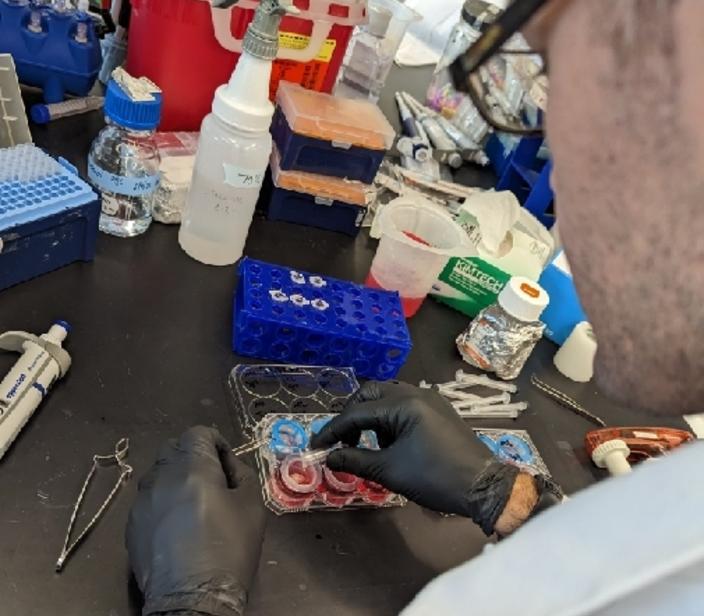
This PhD program offers a highly collaborative environment, with faculty who are committed to fostering students’ growth as a scientist. Students perform research using cutting-edge techniques and equipment, enabling them to become proficient in many aspects of the biomedical sciences.

Our MD/PhD Medical Scientist Training Program is one of 44 funded by the National Institutes of Health. MSTP students have access to a broad array of biomedical research opportunities in 12 graduate school programs. Students choose from a list of over 100 faculty who have been approved as thesis mentors for MSTP students, a list that continues to grow as our students seek out new avenues of research.
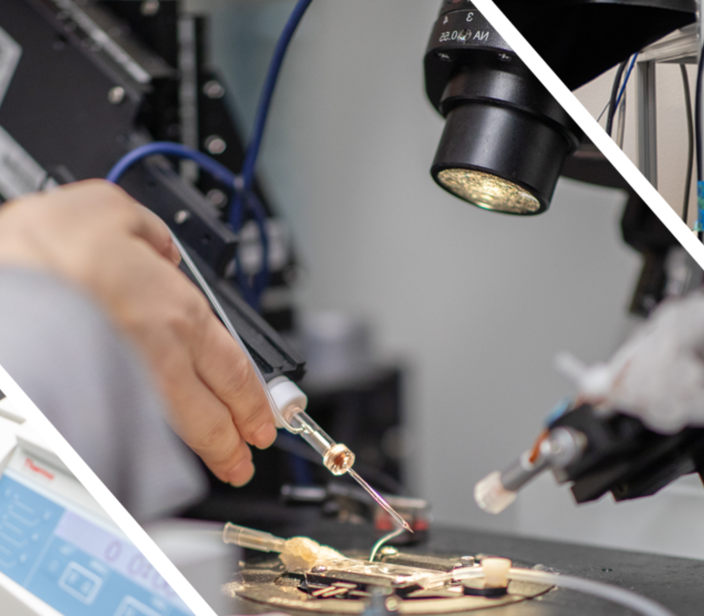
This PhD program focuses on the function of living organisms, and the rapidly advancing fields of molecular, genetic, and cellular Biology. Research in Integrative Biology and Physiology enables us to understand how the body works, how it adapts to the environment, and how it malfunctions in disease.

We provide MS and PhD training at the intersection of animal, human, and ecosystem health. Students may earn MS and PhD degrees in Veterinary Medicine and Comparative and Molecular Biosciences. A combined Doctor of Veterinary Medicine (DVM) and PhD program is also offered.
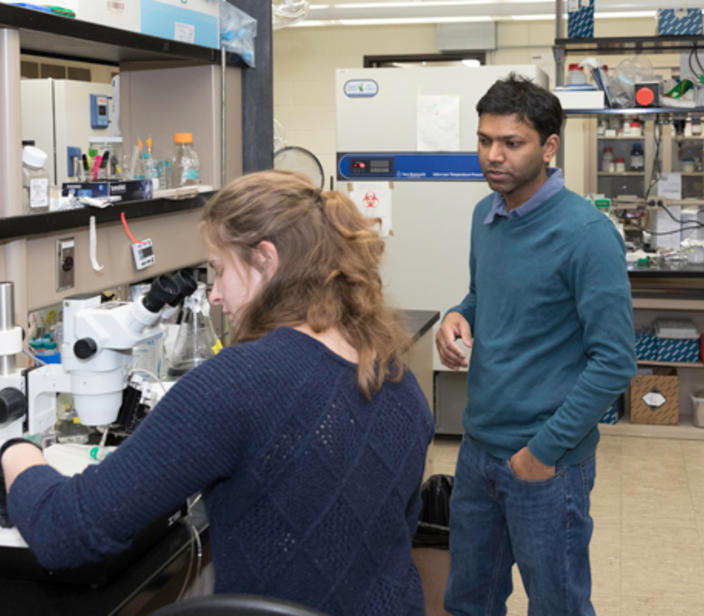
This PhD program is a broad-based, interdisciplinary graduate program with over 80 faculty members. The program emphasizes basic research in the fields of genetics, cell biology and development through the use of model organisms to push the boundaries of our understanding of the fundamental mechanisms of life.
Why study Immunology
Earning a PhD in Immunology prepares you to become an independent researcher, driving discoveries in cancer, autoimmune diseases, and vaccines. Graduates pursue careers in academia, biotech, or government, gaining expertise in a rapidly growing field that is central to understanding health and developing new therapies. This path is for those passionate about the immune system and committed to advancing medicine.
Cutting-Edge Research: Contribute to breakthroughs in cancer immunotherapy, allergies, diabetes, HIV, and COVID-19.
Career Versatility: Work as an investigator, professor, industry scientist, or government/non-profit consultant.
Deep Understanding: Learn how the body fights infection, causes autoimmunity, and responds to disease.
Transforming Medicine: Develop vaccines, targeted therapies, and diagnostic tools that impact human health.
High Demand: Immunology expertise is increasingly needed to tackle disease mechanisms and drug development.
Why choose UMN

With the Center for Immunology as its nexus for immunology research and training, the University of Minnesota is a great place to study.
- Living in Minnesota
- Student life at the University of Minnesota
- Resources for students
- Diversity in graduate education
- Biomedical Discovery District—state-of-the art facilities where many immunology programs are located