Divisions
The 11 clinical divisions within the Department of Surgery cover the gamut of specialties in the field

Our clinical environment is integrated with an academic atmosphere that stimulates crucial research and professional development.

We're an internationally recognized leader in the development of laparoscopic and open bariatric surgical procedures.
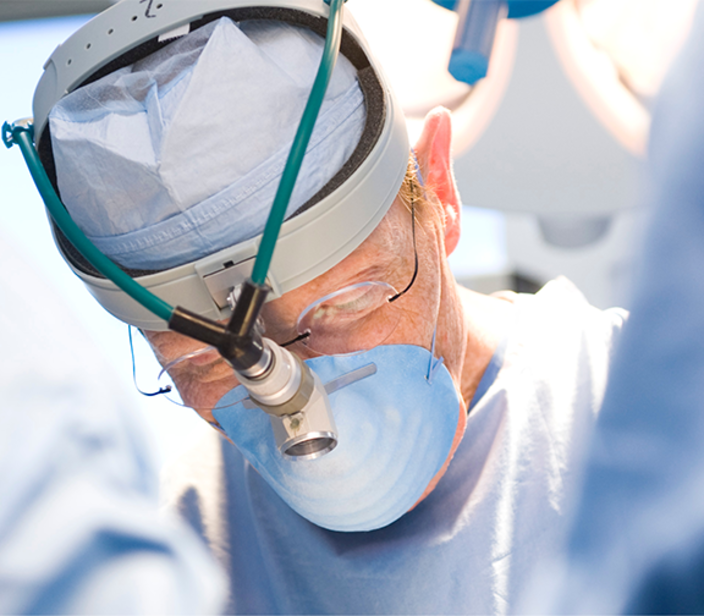
We have a history of innovation and discovery into new surgical techniques to repair the heart.
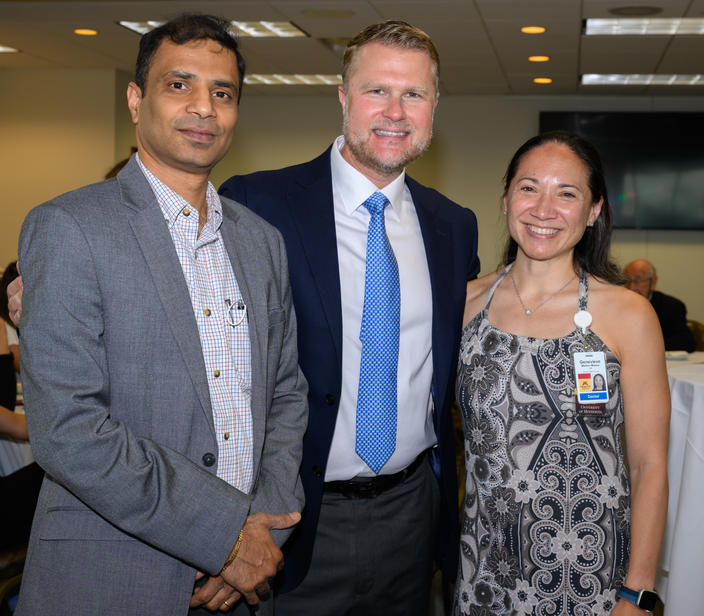
Our faculty have expertise in all aspects of the care of patients with colorectal diseases and disorders.

We're dedicated to building a world-class pediatric cardiovascular program, serving as a cornerstone of the Masonic Children’s Hospital.
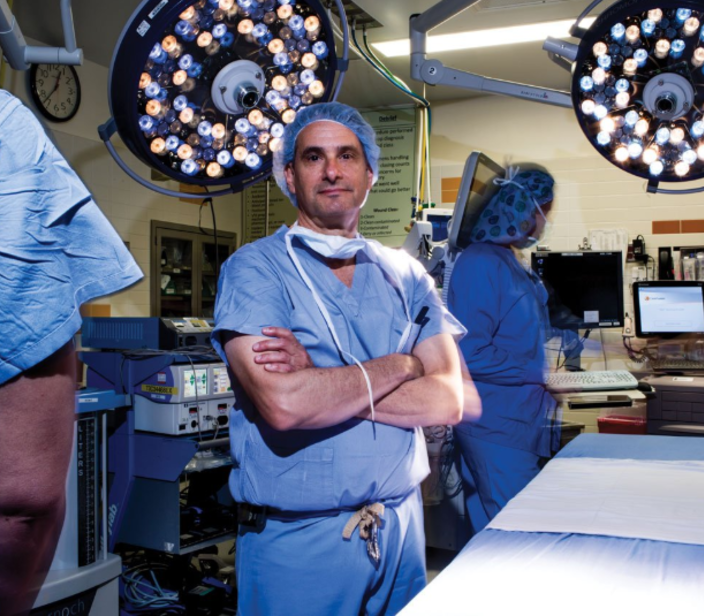
Our team includes physicians, nurse practitioners, social workers, nurses, psychologists, nutritionists, and other professionals who are especially attuned to the medical and emotional needs of young people.
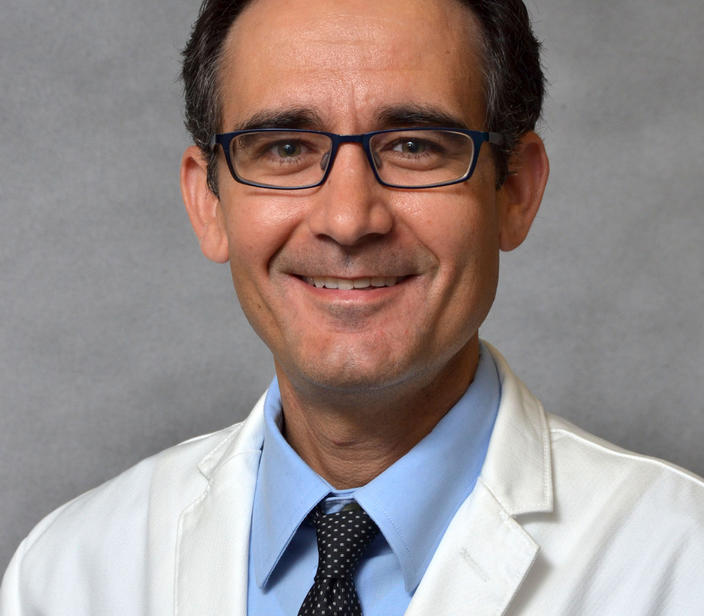
We offer excellent clinical care in all aspects of the specialty, and to use this clinical base to provide an excellent and well-balanced educational experience for trainees at all levels.
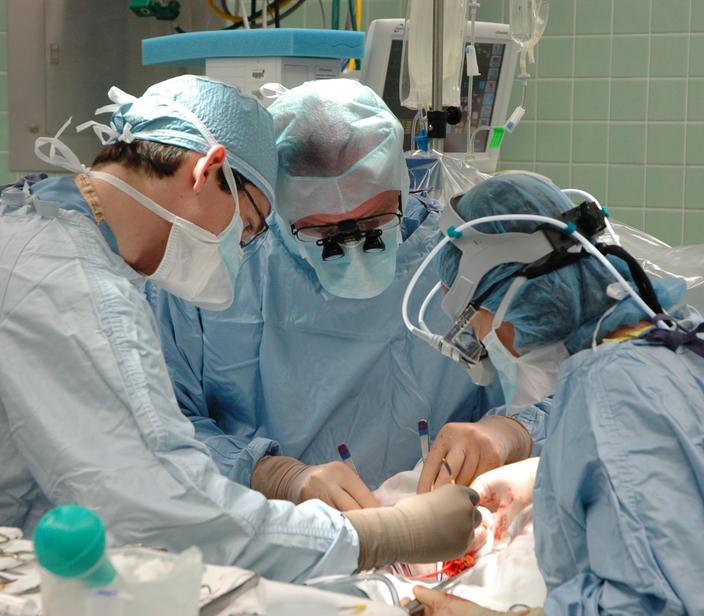
Our mission is to provide state-of-the-art care for cancer patients. Our surgeons evaluate and treat patients with a variety of benign and malignant diseases.

The Division of Thoracic and Foregut Surgery specializes in comprehensive diagnostic, surgical and therapeutic training with pulmonary, tracheal, and esophageal disorders.

The Transplant Program at University of Minnesota Medical Center is one of the oldest and most successful transplant programs in the world.

We specialize in minimally invasive endovascular surgery, as well as the endovascular repair of abdominal aortic aneurysms.
Clinical Research Divisions
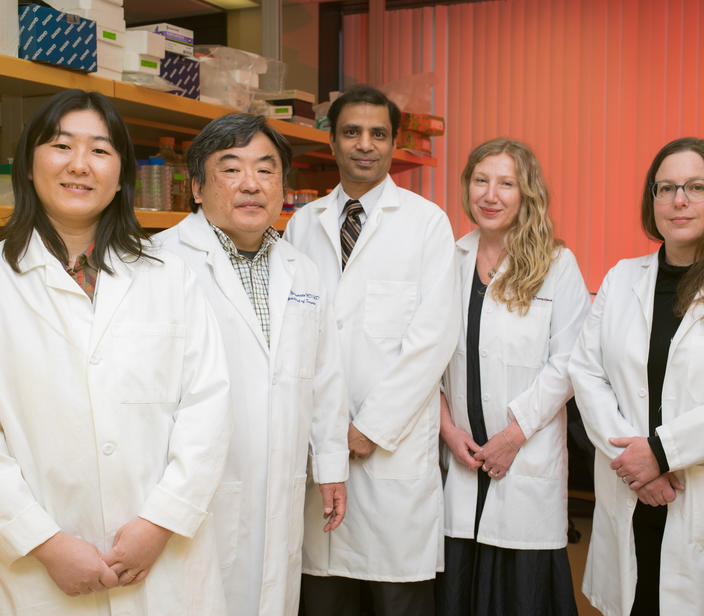
Basic & Translational Research comprises an intellectually diverse subgroup of nonclinical Department of Surgery specialists that represent a wide-ranging skill set.

Our Division of Computational Health Sciences is an interdisciplinary academic unit, where faculty, trainees, students and domain experts from diverse backgrounds including data sciences, computing, statistics, epidemiology and human computer interaction.

The Division of Autonomic Neuromodulation is devoted to the development of novel organ-based neuromodulation therapies for the treatment of a variety of chronic diseases. Device-based modulation of peripheral autonomic and sensory nerves is at the center of the rapidly emerging field of "bioelectronic medicine", often referred to as "electroceuticals". We integrate the fields of autonomic neuroscience, physiology, and biomedical engineering to gain a deeper understanding of the neurogenic basis of disease to inform the development of device-based therapies.