Pediatric Infectious Diseases Fellowship Program
Hosted in the Division of Pediatric Infectious Diseases, our ACGME-accredited Infectious Diseases Fellowship Program prepares physicians for subspecialty certification through the American Board of Pediatrics and academic careers in Pediatric Infectious Diseases.
Physician trainees pursue patient-oriented or laboratory research, develop medical education skills, and provide clinical subspecialty care to patients. Clinical rotations include two children's hospitals and emphasize training in diagnosis and management of common childhood infections, infections in the immunocompromised host, including inpatient and outpatient pediatric HIV care. Trainees wishing to pursue training in epidemiology or clinical trials may obtain a concurrent MPH degree in the School of Public health.
Faculty are committed and experienced in research, education, and clinical care. Faculty members also provide services and collaborate with community-based health care organizations including the Children's Minnesota, Hennepin County Medical Center, regional health care maintenance organizations, and the Minnesota Department of Health. Faculty members who work with fellows oversee nationally and internationally recognized research and clinical laboratories. Some faculty members hold joint appointments in other departments of the University of Minnesota Medical School.
Pediatric Infectious Diseases fellowship training is carried out in collaboration with the Department Medicine's Division of Infectious Diseases and International Medicine. Shared training responsibilities and opportunities include research seminars and journal clubs.



Prospective Fellows
We appreciate your interest in the University of Minnesota's Neonatal Fellowship Program and look forward to reviewing your application. The Pediatric Infectious Diseases Fellowship Program at the University of Minnesota participates in the National Resident Match Program and will accept applications only through the Electronic Residency Application Service (ERAS). Please feel free to contact the program director, Dr. Laura Norton (norto031@umn.edu), if you have any questions not answered here on the webpage.
Please Note:
- Applicants must have completed an ACGME-accredited residency program by the fellowship start date.
- We accept only applicants who are U.S. citizens or permanent residents (green card holders), or those who have a J-1 Visa.
- 3 letters of recommendation are required, to include one from the residency program director.
Additional document include:
- Personal statement
- USMLE transcript
- CV
- ECFMG certificate (if applicable)
- Medical school diploma
Fellows are selected primarily on the basis of likely success in an academic career in Pediatric Infectious Diseases.
The University of Minnesota demonstrates a commitment to leveraging the transformative power of equity and diversity to advance excellence in teaching, learning and community engagement. Applications from individuals who self-identify as members of underrepresented groups are particularly welcome.
Stipend & Benefits
This page provides access to information on stipends and benefits for medical residents & fellows.
Additionally, each medical fellow receives:
- Funding of the ABP General Pediatrics Certifying Exam
- At least $1,500 for professional development
- At least $300 annually in education funds
- MN medical license, or MN residency permit if ineligible for a MN license
- AAP membership with subspecialty section membership
Clinical
Clinical training provides a wide range of experiences in neonatal, infant, child, and adolescent infectious diseases in both inpatient and outpatient settings.
From these experiences trainees are able to identify clinical dilemmas, often using clinical observations as the substrate for laboratory or patient-oriented research. One year of inpatient clinical training is provided, and weekly outpatient pediatric infectious diseases clinics extends through the 3 years of training. Outpatient training opportunities are available in Immunology, Ear-Nose-Throat, HIV, and International Adoption.
Most inpatient clinical time is spent at the University of Minnesota Masonic Children's Hospital. Other clinical rotations take place at Children's Minnesota- Minneapolis and at Hennepin County Medical Center. Children cared for at these facilities have a wide range of infections seen in both normal and immunocompromised hosts. During clinical rotations, the trainee will be supported in developing teaching conferences and lectures. These often focus on interesting cases or topics of interest to the clinical service. The trainee acts in a supervisory role for pediatric residents in the inpatient and outpatient settings, developing their preceptor skills.
Clinical microbiology experience is gained by daily rounds with Dr. Ferrieri in the hospital's Clinical Microbiology Laboratory while the fellow is on the inpatient service. In the Laboratory the trainee learns the specialized array of microbiology tests and laboratory features of clinical infectious diseases. A similar experience is available with Dr. Balfour in the Clinical Virology Laboratory.
Research
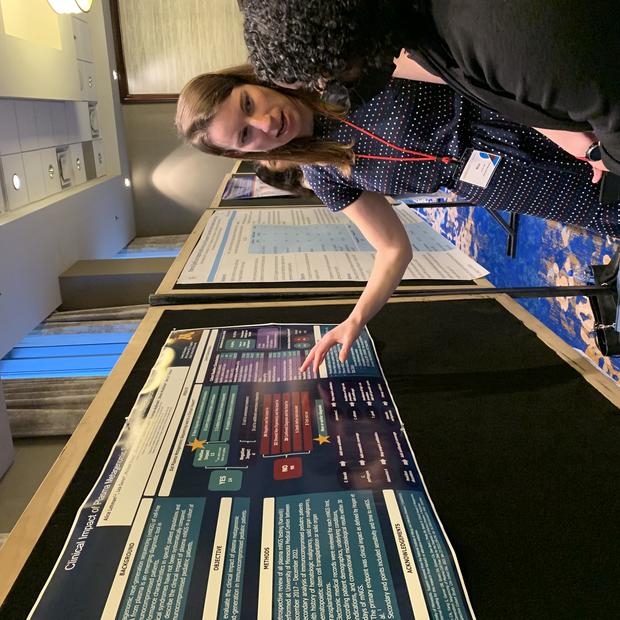
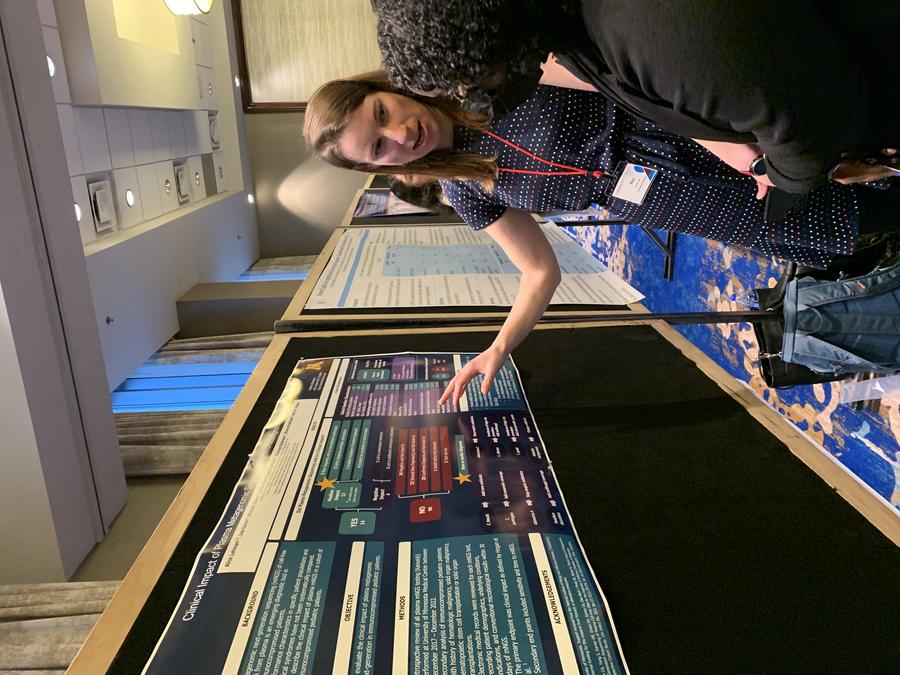
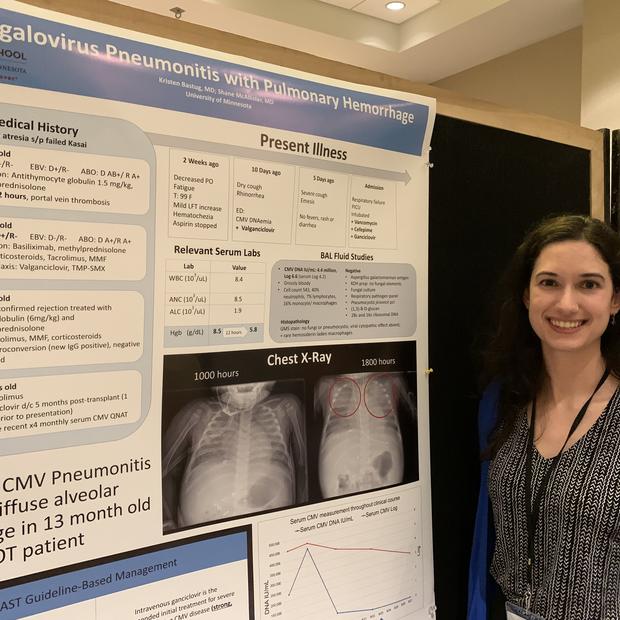
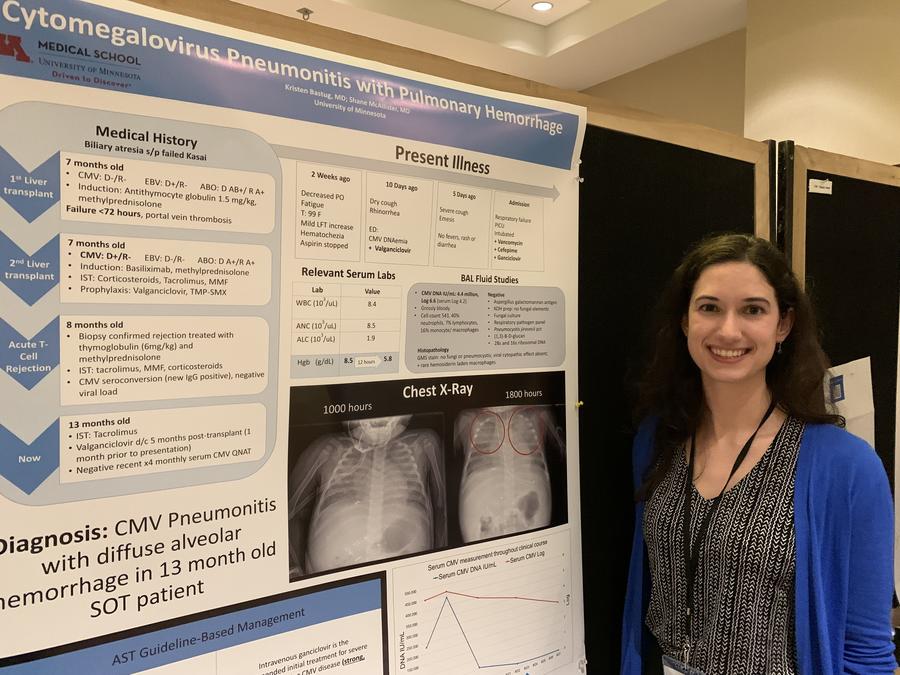
The trainee meets formally during the first months of training with Division faculty to discuss research goals and possible projects. Following these one-on-one discussions, the trainee will chose a mentor, and start development of a formal laboratory or patient-oriented research project. The outline for this project will be completed before the end of the first year, and then implemented during the second and third years. In some cases, implementation begins during the first year of training. By the end of the training period, the trainee will have presented the results of the research at a national meeting (such as SPR, ICAAC, or IDSA), prepared a manuscript for publication, under the supervision of their mentor, and prepared a research grant application for external funding.
Throughout the three years of training, fellows will receive informal and formal training in research methodology, research ethics, biostatistics, scientific publication preparation, and grant writing. It is expected that trainees will acquire the skills to submit strong applications for grant funding.
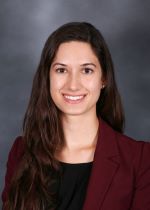
Kristen Bastug
bastu004@umn.edu
Fellowship Dates: 2022-2025

Alice Lehman, MD
lehma154@umn.edu
Fellowship Dates: 2021-2025
Beth Thielen, MD, PhD
Fellowship dates: 2016-2020 Medicine and Pediatric ID training
Current position: University of Minnesota - Assistant Professor of Pediatrics
Shannon Andrews, MD
Fellowship dates: 2015-2019 Medicine and Pediatric ID training
Current position: Albany Medical College - Infectious Disease Physician
Ketzela Marsh, MD
Fellowship dates: 2014-2018 Medicine and Pediatric ID training
Current position: Gilette Children's - Infectious Disease Physician & University of Minnesota - Infectious Disease Physician
Emily Schaaf, MD
Fellowship dates: 2013-2016
Current position: Gillette Children's - Infectious Disease Physician
Beth Swanson, DO
Fellowship dates: 2012-2015
Current position: University of Minnesota - Assistant Professor of Pediatrics
Benjamin Hanisch, MD
Fellowship dates: 2011-2014
Current position: Children's National Hospital - Assistant Professor of Pediatrics
Supatida Tengsupakul, MD
Fellowship dates: 2010-2013
Current position: USA Health Children's & Women's Hospital - Assistant Professor of Pediatrics
Contact Us
Fellowship Program Director
Laura Norton, MD, MS
Assistant Professor
norto031@umn.edu
Placeholder
Fellowship Associate Program Director
Shannon Andrews, MD
Assistant Professor
andre928@umn.edu
Placeholder
Fellowship Program Coordinator
Sidney Clarke
clar2258@umn.edu
(612) 624-0946
For more information on our other medical fellowship programs, click here.