
Comprehensive Fanconi Anemia Center of Excellence
A Global Leader in Fanconi Anemia Research, Treatment, and Lifelong Care
The University of Minnesota Masonic Children’s Hospital proudly hosts the Comprehensive Fanconi Anemia Center, one of the world’s foremost institutions dedicated to Fanconi Anemia (FA). Our multidisciplinary team of FA specialists delivers personalized care informed by pioneering research conducted by University of Minnesota physicians and scientists. This unique integration of clinical excellence and scientific innovation has positioned us as a national and international leader in FA diagnosis, treatment, and long-term management.
Exceptional Care Backed by Decades of Experience
- Unmatched Experience: We care for more individuals with Fanconi Anemia than any other center in North America and have performed the most blood and marrow transplants (BMT) for FA worldwide.
- Trailblazing Innovation: Since 1976, we’ve led advancements in FA treatment, including sibling and unrelated donor transplants. In 2000, we made history by performing the first umbilical cord blood transplant using preimplantation genetic testing to ensure a perfect match.
- Proven Impact: Over 350 individuals with FA have received life-saving care at our center.
As survival rates improve, we continue to evolve our care model to meet the lifelong needs of individuals with FA. Our seamless integration of pediatric and adult care ensures continuity, comfort, and quality of life at every stage. We are also expanding our research to develop novel therapies and global collaborations, with a strong focus on reducing cancer risks and preventing cancer development in FA patients.
From Childhood Through Adulthood—With You Every Step of the Way
Our center is uniquely structured to provide continuous care from childhood through adulthood—without changing primary physicians. Our FA specialists are trained in both pediatric and adult medicine, allowing us to build long-term relationships and deliver consistent, personalized support that grows with each patient.
While many patients begin care with us as children, our program is designed to support individuals and families throughout their entire lives.
Comprehensive Evaluation and Personalized Treatment Planning
What is Fanconi Anemia?
Fanconi Anemia (FA) is a rare, inherited disorder that leads to bone marrow failure and cancer predisposition disorder, where the body cannot effectively produce red blood cells, white blood cells, and platelets. FA is not limited to blood disorders; it can also impact organs, tissues, and multiple bodily systems, and can lead to leukemia or myelodysplastic syndrome. Patients with FA may also experience physical anomalies, such as short stature, skeletal deformities, and abnormalities in the heart, kidneys, and endocrine system. Affecting both genders and all ethnic groups equally, FA has a global incidence of approximately 1 in 100,000-250,000 births.
At Diagnosis
Upon diagnosis, patients are assigned a dedicated nurse coordinator and supported by a team including social workers, child life specialists, and financial counselors. We begin with a full evaluation to assess and manage associated conditions, including:
- Screening for congenital anomalies
- Monitoring heart, kidney, and hormonal health
- Regular bone marrow testing to detect early signs of marrow failure or leukemia
Treatment
Hematopoietic Cell Transplantation (HCT)—also known as Blood and Marrow Transplantation (BMT) — is currently the only curative treatment for FA-related bone marrow failure and leukemia. Our center is a global leader in FA transplants, with protocols specifically designed to address the unique sensitivities FA patients have to chemotherapy and radiation.
We tailor each treatment plan based on:
- Blood cell abnormalities
- Presence of leukemia or myelodysplastic syndrome
- Donor compatibility
- Overall patient health
Our multidisciplinary team includes experts in:
- Gastroenterology
- Nephrology
- Cardiology
- Orthopedic surgery
- Endocrinology
- Infectious diseases
- Nutrition
- Neurology
- General surgery
- Otolaryngology
- Hand surgery
We also offer fertility preservation options in collaboration with reproductive medicine specialists, recognizing the potential impact of treatment on future fertility.
Long Term Monitoring
Our commitment doesn’t end with treatment. We follow patients annually until transplant is needed, and continue care after transplant to monitor for late effects and support lifelong wellness. Patients may be seen by 15+ subspecialists, all coordinated to provide seamless care.
We champion the lifelong health of FA patients, addressing:
- Mental health
- Reproductive health
- Cardiac care
- Growth and development, including FA-specific growth curves
Our research has led to dramatically improved outcomes, including:
- More effective transplants
- Reduced risk of malignancy
- Pioneering use of fludarabine to improve engraftment
- T-cell depletion to prevent GVHD
- Reduced doses of total body irradiation (TBI) to minimize long-term effects
All patients are enrolled in IRB-approved protocols, allowing us to track outcomes and continuously improve care. We are now advancing into gene therapy, with promising developments aimed at correcting the underlying genetic defect.
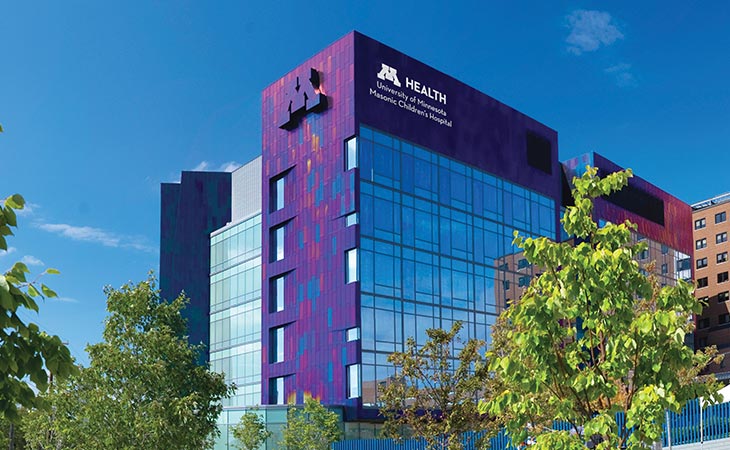
The University of Minnesota Masonic Children's Hospital is internationally renowned for caring for children with common to complex health conditions. Our Facility is a source of hope and healing for children and adolescents and their families.
Clinic Information
Pediatric Blood & Marrow Transplantation Center
We're here to help: (888) 601-0787 or (612) 273-2800, Option 2
Fax: 612-273-0882
Email: [email protected]

Powered by Kidz1stFund
We are proud to partner with Kidz1stFund, which has generously donated over $12.7 million to support Fanconi anemia (FA) research and treatment. Founded in 2011 by Jimbo and Candi Fisher after their son Ethan was diagnosed with FA, Kidz1stFund is dedicated to improving outcomes for patients and families affected by this rare disease. Together, the Fishers and the University of Minnesota are driving forward a shared mission: to enhance treatment options and ultimately discover a cure for FA.
Research Team
Conducting basic science, translational research, and implementing novel clinical trials is an essential mission of the Comprehensive Fanconi Anemia Center. Without research the field does not move forward and better treatment options do not come to fruition. The goal of our research program is to improve patient outcomes, expand treatment options, and ultimately find a cure for Fanconi Anemia. Below are brief introductions to our team of researchers and their areas of focus.
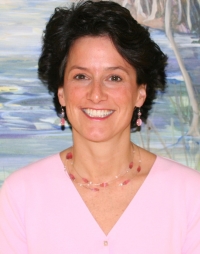
Margaret MacMillan, MD, MSc
Dr. MacMillan is the Director of Kidz1stFund Comprehensive Fanconi Anemia Center and leads the FA Program's clinical research, focusing on improving hematopoietic cell transplantation (HCT) outcomes for patients with FA who lack matched sibling donors. She pioneered the use of fludarabine in conditioning regimens, enhancing survival rates and quality of life post-transplant.

John Wagner, MD
Dr. Wagner is the Founding Director of the Institute of Cell, Gene and Immunotherapeutics and Co-Director of the Center for Translational Medicine. He is recognized for pioneering the use of double umbilical cord blood transplantation in adults and embryo selection to ensure an HLA matched, healthy child ('savior sibling') for another child in need of transplant. He is also a leader in the use of regulatory T cells to prevent rejection and graft versus host disease, expanded blood forming stem cells to speed blood and marrow recovery, and novel conditioning regimens to dramatically increase the chance of cure of patients with Fanconi anemia.

Meera Srikanthan, MD
Dr. Srikanthan specializes in bone marrow transplantation for children with bone marrow failure disorders such as FA. Her research focuses on the long term health of individuals with FA as well as optimizing cancer screening protocols.

Silvia Balbo, PhD
Dr. Balbo studies mechanisms of chemical carcinogenesis, in particular those related to alcohol and tobacco exposures. Her work with FA has focused on the effects of alcohol on the metabolism, as individuals with FA are more vulnerable to toxins. Her research informs lifestyle recommendations to help prevent disease progression.

Bruce Blazar, MD
Dr. Blazar is the Founding Director of the Clinical and Translational Sciences Institute and the Founding Director of the Center for Translational Medicine. He is a leader in HCT and immunology. His research focuses on optimizing graft-versus-host disease (GVHD) prevention and improving outcomes, exploring immunological mechanisms that enhance transplant success and minimize complications.

Roy Kao, MD
Dr. Kao is a classical hematologist, BMT physician, and clinical researcher specializing in bone marrow failure, hemoglobinopathies, and non-malignant transplants in adults. He diagnoses and treats adult patients with Fanconi anemia in his clinic and enrolls them in clinical trials.

Jeff Miller, MD
Dr. Miller is the Deputy Director of our Cancer Center and is advancing NK cell biology, and NK cell development into clinical trials throughout his tenure. Based on these studies a significant part of his effort is trying to understand how to exploit NK cells for therapeutic purposes against infection and cancer and how to improve outcomes from allogeneic hematopoietic cell transplantation.

Mark Osborn, PhD
Dr. Osborn is advancing gene therapy for FA, focusing on the FANCI gene. Using CRISPR technology, he aims to correct FA-related mutations in hematopoietic stem cells, offering potential long-term remission.

Angela Panoskaltsis-Mortari, PhD
Dr. Panoskaltsis-Mortari investigates mesenchymal stem cells in immune response modulation during HCT, aiming to improve engraftment and reduce GVHD.
Endocrinology
Brad Miller, MD focuses on hormonal disorders in genetic syndromes, including FA, aiming to address endocrine complications.
Megan Bensignor, MD specializes in pediatric endocrinology, focusing on growth and developmental issues in children with FA.
Arpana Rayannavar, MD addresses metabolic and endocrine disorders in FA, working to improve hormone regulation and overall health.
Otolaryngology (Ear, Nose, & Throat)
Sobia Kahja, MD manages ear, nose, and throat complications for patients with FA, such as chronic sinusitis and hearing loss, with an emphasis on preventive care.
Luke Jakubowski, MD, PhD researches early detection and management of head and neck cancers in FA.
Samir Khariwala, MD focuses on reconstructive surgery for head and neck cancers, prioritizing function and aesthetics post-treatment.
Dermatology
Christina Boull, MD and Brittney Shultz, MD focuses on FA-related skin conditions, emphasizing early detection of skin cancers.
Sheilagh Maguiness, MD and Ingrid Polcari, MD specialize in dermatologic manifestations of FA, developing preventive measures and screening protocols.
Gynecologic Oncology
Deanna Teoh, MD leads early screening and cancer prevention initiatives for individuals with FA at risk of anogenital cancers.
Rachel Ghebre, MD focuses on reproductive health and family planning.
Melissa Geller, MD works on early detection practices for gynecologic cancers and reproductive counseling.
Gastroenterology
Vikram Christian, MD develops preventive care strategies for GI complications common among in FA, especially post-transplant.
Joshua Sloan, MD has established an esophageal cancer screening program for patients with FA, focusing on early detection.
Orthopedic
Ann Van Heest, MD addresses skeletal abnormalities in FA, offering both surgical and nonsurgical interventions to enhance mobility and quality of life.
Oral Pathology
Rajaram Gopalakrishnan, BDS, PhD focuses on understanding why patients with FA have an increased oral cancer risk. He uses novel approaches to study early detection of oral cancer and management in FA.
Shanti Kaimal, BDS, MS compiles data on oral health in FA, particularly in head and neck cancer risks.
Oral and Maxillofacial Surgery
Rachel Uppgaard, DDS is developing MRI protocols to detect tissue changes in the oral cavity without radiation exposure.
Infectious Disease
Jo-Anne Young, MD specializes in infectious complications post-transplant and develops preventive and treatment strategies.
Shane McAllister, MD focuses on infection management guidelines for patients with bone marrow disorders, including FA.
Genetic Counseling
Rebecca Tryon, GC is a clinical genetic counselor whose research interests focus on understanding different genetic forms of Fanconi anemia (FA) and other inherited conditions. Her research also focuses on the genetic counseling aspects of patient care in a pediatric blood and marrow transplant setting.
Pharmacology
Susie Long, PharmD investigates the role of CYP2B6 genetic variants in influencing the risk of hemorrhagic cystitis in Fanconi anemia patients treated with cyclophosphamide during allogeneic hematopoietic cell transplantation.
Psychiatric
Megan Voss, DNP, APRN, a psychiatric nurse practitioner in psycho-oncology, provides care for cancer and rare disease patients, drawing on her background in pediatric bone marrow transplantation. Her research highlights poor mental health outcomes and barriers to care in adults with Fanconi anemia, aiming to improve support and foster connections within this community.
- Barbus, C., Rayannavar, A., Miller, B.S., Jenkins, M.J., Addo, O.Y., Rayes, A., Ahrweiler, N., Olson, A., Pohlkamp, Z., Wagner, J.E., & MacMillan, M.L. (2024). Development of specific growth charts for children with Fanconi anemia. American Journal of Medical Genetics Part A, 194(7), e63554.
- Dimitrov, M., Merkle, S., Cao, Q., Tryon, R.K., Vercellotti, G.M., Holtan, S.G., Kao, R.L., Srikanthan, M., Terezakis, S.A., Tolar, J., & Ebens, C.L. (2024). Allogeneic Hematopoietic Cell Transplant For Bone Marrow Failure or Myelodysplastic Syndrome in Dyskeratosis Congenita/Telomere Biology Disorders: Single-Center, Single-Arm, Open-Label Trial of Reduced-Intensity Conditioning Without Radiation. Transplantation and Cellular Therapy, 30(10), 1005.e1-1005.e17.
- Donovan, F.X., Kimble, D.C., Kim, Y., Lach, F.P., Harper, U., Kamat, A., Jones, M., Sanborn, E.M., Tryon, R., Wagner, J.E., MacMillan, M.L., Ostrander, E.A., Auerbach, A.D., Smogorzewska, A., & Chandrasekharappa, S.C. (2016). Paternal or Maternal Uniparental Disomy of Chromosome 16 Resulting in Homozygosity of a Mutant Allele Causes Fanconi Anemia. Human Mutation, 37(5), 465–468.
- Ebens, C. L., DeFor, T. E., Tryon, R., Wagner, J.E., & MacMillan, M.L. (2018). Comparable Outcomes after HLA-Matched Sibling and Alternative Donor Hematopoietic Cell Transplantation for Children with Fanconi Anemia and Severe Aplastic Anemia. Biology of Blood and Marrow Transplantation : Journal of the American Society for Blood and Marrow Transplantation, 24(4), 765–771.
- Ebens, C.L., MacMillan, M.L., & Wagner, J.E. (2017). Hematopoietic Cell Transplantation in Fanconi Anemia: Current Evidence, Challenges and Recommendations. Expert Review of Hematology, 10(1), 81–97.
- Pandey, S., Gao, X.D., Krasnow, N.A., McElroy, A., Tao, Y.A., Duby, J.E., Steinbeck, B.J., McCreary, J., Pierce, S.E., Tolar, J., Meissner, T.B., Chaikof, E.L., Osborn, M.J., & Liu, D.R. (2024). Efficient site-specific integration of large genes in mammalian cells via continuously evolved recombinases and prime editing. Nat. Biomed. Eng.
- Ferdjallah, A., Long, S., Defor, T.E., Hoffmann, C., Wagner, J. E., Jacobson, P., & MacMillan, M.L. (2021). CYP2B6 Variants in Cyclophosphamide Metabolism and the Incidence of Hemorrhagic Cystitis in Fanconi Anemia Patients Undergoing Allogeneic Hematopoietic Cell Transplantation. Transplantation and Cellular Therapy, Official Publication of the American Society for Transplantation and Cellular Therapy, 27(3), S219.
- Mets, S., Tryon, R., Veach, P.M. & Zierhut, H.A. (2016). Genetic Counselors’ Experiences Regarding Communication of Reproductive Risks with Autosomal Recessive Conditions found on Cancer Panels. J Genet Counsel, 25: 359-372.
- Hoover, A., Turcotte, L.M., Phelan, R., Barbus, C., Rayannavar, A., Miller, B.S., Reardon, E.E., Theis-Mahon, N., & MacMillan, M.L. (2024). Longitudinal clinical manifestations of Fanconi anemia: A systematized review. Blood Reviews, 68, 101225.
- Mehta, P. A., & Ebens, C.L. (1993). Fanconi Anemia. In M. P. Adam, J. Feldman, G. M. Mirzaa, R. A. Pagon, S. E. Wallace, & A. Amemiya (Eds.), GeneReviews®. University of Washington, Seattle.
- Osborn, M.J., Gabriel, R., Webber, B.R., DeFeo, A.P., McElroy, A.N., Jarjour, J., Starker, C.G., Wagner, J.E., Joung, J.K., Voytas, D.F., von Kalle, C., Schmidt, M., Blazar, B.R., & Tolar, J. (2015). Fanconi Anemia Gene Editing by the CRISPR/Cas9 System. Human Gene Therapy, 26(2), 114–126.
- Tryon R., Zierhut H., MacMillan M.L., & Wagner J.E.. 2017. Phenotypic variability in patients with Fanconi anemia and biallelic FANCF mutations. Am J Med Genet Part A 173A: 260–263. Retrieved November 25, 2024.
- Ramanagoudr-Bhojappa, R., Tryon, R., Lach, F.P., Donovan, F.X., Maxwell, R., Rosenberg, A., MacMillan, M.L., Wagner, J.E., Auerbach, A.D., Smogorzewska, A., & Chandrasekharappa, S.C. (2024). FANCA c.3624C>T (p.Ser1208=) is a hypomorphic splice variant associated with delayed onset of Fanconi anemia. Blood Advances, 8(4), 899–908.
- Ruggiero, J.L., Dodds, M., Freese, R., Polcari, I.C., Maguiness, S.M., Hook, K.P., & Boull, C. (2021). Cutaneous Findings in Fanconi Anemia. Journal of the American Academy of Dermatology, 85(5), 1253–1258.
- Ruggiero, J.L., Freese, R., Hook, K.P., Polcari, I.C., Maguiness, S.M., & Boull, C. (2022). Skin cancer and sun protection practices in Fanconi anemia patients: A cross-sectional study. Journal of the American Academy of Dermatology, 86(1), 179–181.
- Saha, A., Palchaudhuri, R., Lanieri, L., Hyzy, S., Riddle, M.J., Panthera, J., Eide, C.R., Tolar, J., Panoskaltsis-Mortari, A., Gorfinkel, L., Tkachev, V., Gerdemann, U., Alvarez-Calderon, F., Palato, E.R., MacMillan, M.L., Wagner, J.E., Kean, L.S., Osborn, M.J., Kiem, H.-P., Scadden, D.T., Olson, L.M., & Blazar, B.R. (2024). Alloengraftment without significant toxicity or GVHD in CD45 antibody-drug conjugate-conditioned Fanconi anemia mice. Blood, 143(21), 2201–2216.
- Salem, B., Mitchell, R., DeFor, T.E., Tryon, R., Wagner, J.E., & MacMillan, M.L. (2019). Elevations in serum alpha fetoprotein levels in patients with Fanconi anaemia. British Journal of Haematology, 184(6), 1032–1035.
- Skvarova Kramarzova, K., Osborn, M.J., Webber, B.R., DeFeo, A.P., McElroy, A.N., Kim, C.J