
Autoimmune Cell Therapy Research
The University of Minnesota is at the forefront of advancing cell therapy research for autoimmune disorders, leading clinical innovation in cell therapy for autoimmune diseases. Our new cell therapy research initiative for autoimmune diseases brings together experts from across varying specialties, creating a multidisciplinary team with the capacity to provide innovative cell therapy clinical trial options to patients. Some open enrollment trials target the following diseases:
- systemic sclerosis
- idiopathic inflammatory myopathies
- myasthenia gravis
- rheumatoid arthritis
- systemic lupus erythematosus
- anti-neutrophil cytoplasmic autoantibody (ANCA)-associated vasculitis
Building on a decade of experience in CAR-T therapy for cancer treatment, we translate these groundbreaking technologies, with leading experts and community healthcare partners, into advancing cell-based therapies for patients.

Co-Director
Veronika Bachanova, MD, PhD Professor, Division of Hematology, Oncology, and Transplantation; Section Head, Malignant Hematology

Co-Director
Patrick Nachman, MD Professor, Division of Nephrology and Hypertension; Division Director, Division of Nephrology and Hypertension; Faculty, Department of Medicine
More info
- Open clinical trials
- For patients
- Partner with us
- Faculty and collaborators
- Physician referrals
- About Us
The following clinical trials are open to enrollment. If you are interested in a study, please email, [email protected], including the name of the principal investigator of the trial in your subject line. This will ensure that your email is routed to the appropriate study team. More trials are in process so please check back soon.
Dermatology
Official title: A Phase 1/2 Study of NKX019, a CD19 Chimeric Antigen Receptor Natural Killer (CAR NK) Cell Therapy, in Subjects With Immune-Mediated Diseases
Target disease: Idiopathic Inflammatory Myopathies
Brief summary: This is a Phase 1/2, open-label, multi-center, multi-cohort, non-randomized dose escalation and dose expansion basket study to determine the safety and tolerability of NKX019 (allogeneic CAR NK cells targeting CD19) in participants with autoimmune diseases.
Principal Investigator: Dr. David Pearson, MD
Link to more information on ClinicalTrials.gov
Nephrology
Official title: A Phase 1/2, Open-label Study to Evaluate the Safety and Efficacy of Autologous CD19-specific Chimeric Antigen Receptor T Cells (CABA-201) in Subjects With Active Systemic Lupus Erythematosus
Brief summary: RESET-SLE: A Phase 1/2 Open-Label Study to Evaluate the Safety and Efficacy of CABA-201 in Subjects With Active Systemic Lupus Erythematosus
Principal Investigator: Dr. Patrick Nachman, MD
Link to more information on ClinicalTrials.gov
Neurology
Official title: A Phase 1 Study of Anitocabtagene Autoleucel for the Treatment of Subjects With Non-oncology Plasma Cell-related Diseases
Target Disease: myasthenia gravis
A Phase 1 dose-escalation study designed to evaluate the safety, tolerability, and preliminary efficacy of anito-cel in subjects with generalized myasthenia gravis (GMG). Anitocabtagene autoleucel (anito-cel) is a BCMA-directed CAR-T cell therapy.
Principal investigator: Georgios Manousakis, MD
Link to more information on ClinicalTrials.gov
Pulmonology
Official title: A Phase II, Multi-part, Randomized, Open-label, Assessor-blinded, Active-controlled, Multicenter Study to Evaluate the Efficacy and Safety of Rapcabtagene Autoleucel Versus Rituximab Treatment in Participants With Severe Refractory Diffuse Cutaneous Systemic Sclerosis
Target Disease: Diffuse Cutaneous Systemic Sclerosis
Brief summary: The purpose of this study is to evaluate the efficacy, safety and tolerability of rapcabtagene autoleucel (administered once following lymphodepletion) in participants with severe refractory diffuse cutaneous systemic sclerosis relative to rituximab.
Principal investigator: Hyun Kim, MD
Link to more information on ClinicalTrials.gov
Rheumatology
Official title: A Phase 1 Study of FT819 in B-cell Mediated Autoimmune Disease
Brief summary: This is a phase 1 study designed to evaluate the safety, pharmacokinetics (PK), and anti-B-cell activity of FT819 following treatment with or without auxiliary medicinal product (AMP) in participants with moderate to severe active systemic lupus erythematosus (SLE), antineutrophilic cytoplasmic antibody (ANCA)-associated vasculitis (AAV), idiopathic inflammatory myositis (IIM), and systemic sclerosis (SSc). The study will consist of a dose-escalation stage, followed by an expansion stage to further evaluate the safety and activity of FT819.
Principal Investigator: Dr. Parastoo Fazeli, MD
Link to more information at ClinicalTrials.gov
Official title: A Phase 1 Study to Evaluate the Safety, Tolerability, Pharmacokinetics, Pharmacodynamics, and Activity of Single Ascending Doses of SBT777101 in Subjects With Rheumatoid Arthritis
This study will test the safety and effects of SBT777101 when given as a single dose to subjects with rheumatoid arthritis. It is the first study of this treatment being done in humans. Increasing dose levels will be given after the safety at lower dose levels is shown.
Principal Investigator: Dr. Daniel Mueller, MD
Link to more information on ClinicalTrials.gov
Rheumatology-Pediatric
Official title: A Phase 1 Study of FT819 in B-cell Mediated Autoimmune Disease
Brief summary: This is a phase 1 study designed to evaluate the safety, pharmacokinetics (PK), and anti-B-cell activity of FT819 following treatment with or without auxiliary medicinal product (AMP) in participants with moderate to severe active systemic lupus erythematosus (SLE), antineutrophilic cytoplasmic antibody (ANCA)-associated vasculitis (AAV), idiopathic inflammatory myositis (IIM), and systemic sclerosis (SSc). The study will consist of a dose-escalation stage, followed by an expansion stage to further evaluate the safety and activity of FT819.
Investigator: Dr. Bryce Binstadt, MD
Link to more information on ClinicalTrials.gov
Overview
Cells make up every living organism. Inside each cell are genetic instructions that determine its type and function. Every individual has stem cells. Stem cells are immature cells that can divide and mature into different types of specialized cells. This process is called differentiation. During this process specific genes in the cell’s DNA are turned on or off. This guides the cell to become of a particular type and function.
The immune system is composed of specialized cells, some of which produce antibodies. Antibodies are special molecules produced by the “B lymphocytes of our immune system that specifically recognize and bind to foreign agents such as bacteria or viruses to help us fight infections and protect us from cancer cells. Sometimes however, antibodies can be misdirected against our own proteins and are associated with autoimmune diseases.
Autoimmune Diseases and Cells
Autoimmune diseases can cause cell damage by mistaking healthy cells and tissue as foreign. The immune system attacks those cells or tissue and causes inflammation. This is often triggered by genetic predisposition and environmental factors but the causes are often unknown. Environmental factors may include infections, viruses, injury, and some chemicals.
What is Cell Therapy?
Cell therapy involves transferring specific types of cells into a person to treat disease by repairing or replacing damaged cells or tissues. Many different cell types can be modified or engineered for use in therapy, depending on the condition being treated. Cell therapy using immune cells called T-lymphocytes can treat certain blood and bone marrow cancers, and has shown promising results in clinical trials to treat some autoimmune diseases.
Types of Cell Therapy
Autologous Cell Therapy
Autologous cells are usually blood collected from the person’s own body. The cells are then modified outside of the body, and returned to the blood by infusion or injected into tissues. Using the body’s own cells decreases the risk of an allergic-type of response to reject them.
CAR T Cell Therapy
In this type of autologous cell therapy, T lymphocytes (a type of immune blood cell) are engineered to express a Chimeric Antigen Receptor (CAR) on their cell surface. This enables CAR-T cells to target and destroy specific cells that contribute to the autoimmune disease.
Allogeneic Cell Therapy
Allogeneic cells are collected and derived from someone other than the person being treated. The source of these cells can come from a variety of sources such as healthy donors' cord blood, or cell banks of undifferentiated cells. Allogeneic cells are often genetically engineered to improve their function.
NK Cell Therapy
Is a type of allogeneic cell therapy. NK cells are natural killer cells that target and eliminate autoreactive cells.
How are cells collected from my body for autologous cell therapy?
In a process called apheresis, blood is run through a machine that separates its components, collects the desired blood cells, and returns the rest of the blood to the body. In a similar process known as leukapheresis, some of a person’s white blood cells (leukocytes) are harvested.
Pretreatment
Before receiving cell therapy a patient may need a conditioning regimen to decrease the immune system’s activity and prepare the body to accept the cells after they are infused. This process usually involves low-dose chemotherapy. If the trial you are interested in requires chemotherapy, this process will be explained to you in detail.
How are the modified cells administered?
They are introduced into the body by an infusion which can be administered intravenously (with an IV) or a peripherally inserted central catheter (PICC) line placement. PICC lines can be placed in an outpatient setting. Some cells may need to be injected directly into tissues.
Lifestyle Restrictions
Some cell therapy treatments require temporary lifestyle restrictions to ensure safety of the patient and monitoring for possible adverse reactions. These usually include avoiding driving and staying close to the medical facility immediately after cell infusion. Some trials may help decrease the burden of these restrictions. Your research care team will share these details with you.
Who is on my research care team?
A variety of individuals work together to provide your care, including your physician (an expert in your autoimmune disease), a cell therapy physician, a cell therapy research nurse, and a research coordinator.
Pose these questions to your care team:
- Does this trial use my cells (autologous) or use donor cells (allogenic)?
- Does this trial require chemotherapy treatment? If so, what does this process include?
- Does this trial require a PICC line placement?
- What are the lifestyle restrictions for this trial? Does the trial provide assistance with these restrictions?
Why partner with us?
The Autoimmune Cell Therapy Research Hub at the University of Minnesota is committed to accelerating the development and delivery of innovative cell-based therapies for autoimmune diseases. We create the environment and infrastructure to conduct cell therapy clinical research in collaboration with pharmaceutical and biotechnology industries and with leading academic institutions .
The Autoimmune Cell Therapy Research Hub combines our deep expertise in immunology, cell therapy,clinical trial infrastructure, and regulatory navigation with the resources and innovation capacity of our partners. Together, we bring next-generation therapies to patients. Our uniquely integrated environment spans basic research, translational science, and clinical implementation; making us an ideal partner for sponsors seeking experienced trial sites and scientific collaborators.
If you are a sponsor, academic institution, or team with the University of Minnesota and interested in partnering with the Autoimmune Cell Therapy Research Hub, please contact [email protected]
Autoimmune Cell Therapy Faculty Members
The committees are composed of a diverse group of individuals with expertise in research, various autoimmune diseases, and cell therapy. They shape the direction of the research hub by guiding decisions regarding which studies should be prioritized, and conducted, ensuring that they contribute to advancing scientific knowledge, improving patient outcomes, and supporting translational and clinical research in cellular therapy for autoimmune indications.
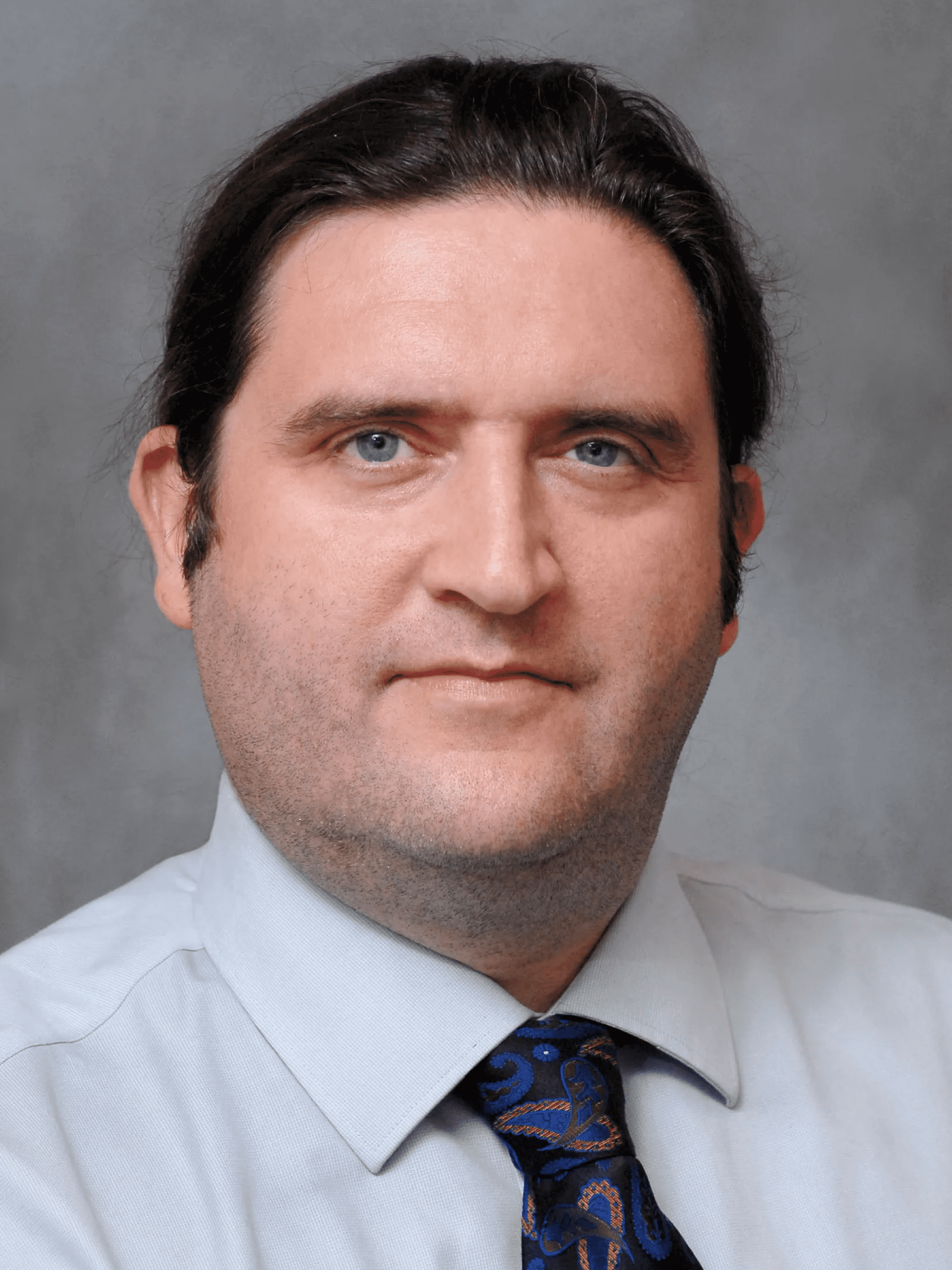


Anne Blaes, MD
Director and Professor of Medicine, Division of Hematology, Oncology and Transplantation

Dan Mueller, MD
Professor of Medicine, Division of Rheumatic and Autoimmune Diseases


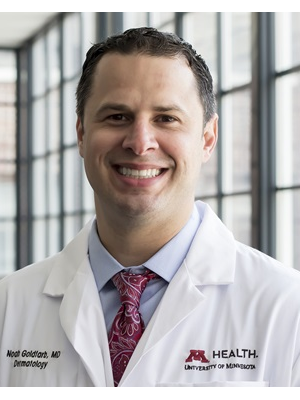
Noah Goldfarb, MD
Associate Professor, Dermatology

Parastoo Fazeli, MD
Associate Professor of Medicine, Division of Rheumatic and Autoimmune Diseases
Autoimmune Cell Therapy Clinical Collaborators


Christine Wendt, MD
Professor of Medicine
Jill Cordes, BSN, RN, CHRC
Director, Research Administration, Fairview Health Services

To refer a patient to one of the open trials, please contact [email protected]. Please include the diagnosis of the patient and which trial you are referring to. The corresponding study team will reach out to you for more information.
We operate under a set of objectives that are also our guiding principles:
- Collective decision-making by representatives from various departments to select clinical trials that will create a diverse trial portfolio to serve patient needs
- Establish relationships with industry sponsors and academic institutions to aid in the creation of the diverse portfolio of clinical trials
- Provide patient access to cell therapy clinical trials for autoimmune diseases
- Conduct trials ethically and safely for participants
Location:
The Autoimmune Cell Therapy Research Hub is located on the University of Minnesota campus at 401 East River Parkway, VCRC 1st Floor, Suite 131, Minneapolis, MN 55455.
Parking & Transportation | Maps & Directions | Directories | Contact U of M | Privacy