
Physician Scientist Training Program
Leaders in Biomedical Research Training
For physicians pursuing an academic career in basic science or clinical research, the Physician-Scientist Training Program (PSTP) offers a personalized, rigorous, and supportive 6-7 year research training experience in an integrated research environment.
Options include earning an advanced degree (MPH, MS, or PhD) from the Medical School, College of Biological Sciences, College of Science and Engineering, or School of Public Health. Interested individuals apply to both the Internal Medicine categorical program and Physician Scientist Training Program.
UMN brings a collaborative approach to research, exemplified by our interdisciplinary Biomedical Discovery District. Our diverse international faculty and researchers are widely recognized for their educational leadership, mentorship, and support in scholarship and research.
PSTP research mentors support residents’ exploration of the Medical School’s prestigious research centers – including the Clinical & Translational Science Institute, Lillehei Heart Center, and Masonic Cancer Center – and help them find their research home. The curriculum is based on and meets the requirements of the American Board of Internal Medicine (ABIM) Research Pathway.
Overview
A combined residency and fellowship program
Our Internal Medicine residency program supports training opportunities within three dedicated teaching hospitals that serve distinct, diverse patient populations.
We encourage (but do not require) PSTP trainees to complete their clinical training in two years instead of three: our staff and faculty support this “short-track” approach with conducive, flexible scheduling. After completing and meeting all requirements for the 2-year or standard 3-year residency, PSTP trainees combine both in-depth research and clinical training in an Internal Medicine Research Pathway or in one of eight Subspecialty Research Fellowships:
- Cardiovascular Diseases
- Diabetes, Endocrinology & Metabolism
- Gastroenterology
- Hematology
- Medical Oncology & Transplantation
- Infectious Diseases
- Pulmonary & Critical Care
- Nephrology & Hypertension
- Rheumatology
It is common for PSTP trainees to pursue an advanced degree at the same time within the Medical School, College of Biological Sciences, College of Science and Engineering, or School of Public Health. Many of the fellowship programs also support federal training-grant associated career development programs.
Eligibility
You are eligible to apply to the Physician Scientist Training Program (PSTP) if you are also applying to the Internal Medicine (IM) residency program.
Successful candidates demonstrate their strong desire to pursue an investigative career. Many PSTP applicants have an advanced research degree (MS, MPH, PhD) or substantive research experience as an undergraduate or medical student, but these are not requirements.
How to apply
- Candidates apply to both the Internal Medicine (IM) categorical program and the Physician-Scientist Training Program Pathway through the online Electronic Residency Application Service (ERAS).
- Once selected by the IM program, applicants schedule their interview themselves – based on their intended fellowship program – through ERAS.
- We reach out to applicants to learn the details about your research interests but we encourage you to also fill out this Research Interest Survey.
- If also selected by PSTP and the relevant fellowship program, the PSTP Administrator reaches out to candidates to align both interviews. Afternoon PSTP interviews typically take place after the morning categorical interviews on the same day. Interviews with the fellowship program can take place later that same day or the following business day. All interviews and meetings are virtual.
- We provide application status updates in October. Interviews begin after November 1 and conclude before the winter holidays. Specific interview dates correlate to the desired fellowship.
- We email PSTP interview itineraries to you three business days prior to your scheduled interview day. This will be emailed to you separately from your interview itinerary with the categorical program.
Documents
To apply to this program:
- Apply simultaneously to the Internal Medicine residency program
- Check the box on our form indicating your interest in the Physician Scientist Training Program
- Make sure one of your letters of recommendation is from a primary research mentor
- Fill out this Research Interest Survey
Curriculum opportunities
Research mentors and the curriculum support PSTP trainees from residency through fellowship. Informally, this support takes the form of PSTP community-building gatherings with distinguished physician-scientists, regular discussion forums, and encouragement and practical advice on participating in scientific meetings. In fellowship, trainees can also access grant-writing seminars, responsible conduct of research courses, and didactics.
Curriculum requirements
PSTP meets American Board of Internal Medicine (ABIM) Research Pathway guidelines. Trainees may pursue either the Internal Medicine Research Pathway or, if interested in an Internal Medicine fellowship, the Subspecialty Research Pathway.
Internal Medicine Research Pathway
- 5-6 years before eligible to sit for the IM certification exam
- Resident Training: Short track (24 months) or standard (36 months)
- Intensive Research Training: 36 months
- Continuity Clinic: one half-day per week
Subspecialty Research Pathway
- 6-8 years before eligible to sit for the IM and specialty certification exams
- Resident Training: 24 months, including 20 months of direct patient care
- Fellowship Clinical Training: 12 to 24 months, depending on specialty
- Intensive Research Training: 36 months
- Continuity Clinic: one half-day per week
PSTP trainees are eligible to carry out research trainees with any qualified mentor at the University of Minnesota. Below are some examples of recent PSTP mentors:
Bruce Blazar, MD

Division of Blood and Marrow Transplant & Cellular Therapy
Department of Pediatrics
Recent mentee: Cameron McDonald-Hyman, MD, PhD (HOT)
Lin Yee Chen, MBBS, MS

Cardiovascular Division, Department of Medicine
Recent mentee: Michael Zhang, MD, PhD (CV)
Martin Felices, PhD

Division of Hematology, Oncology, and Transplantation,
Department of Medicine
Recent mentee: David Kazadi, MD (HOT)
Peter Gordon, MD, PhD
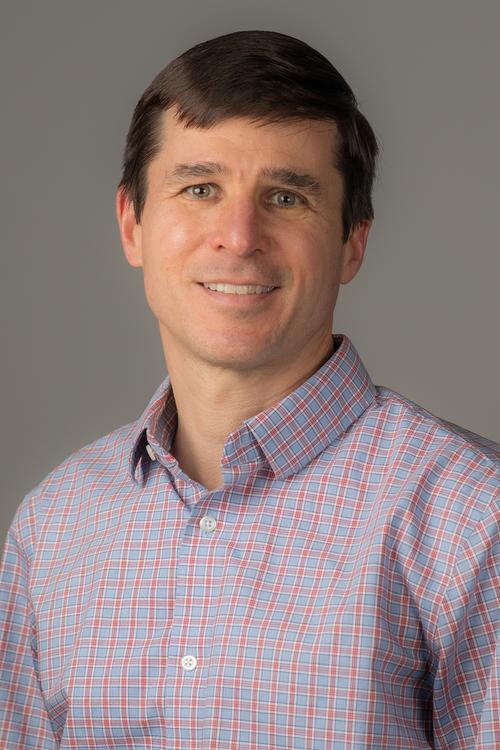
Division of Pediatric Hematology/Oncology,
Department of Pediatrics
Recent mentee: Robin Lee, MD, PhD (HOT)
Stephen Jameson, PhD

Department of Laboratory Medicine and Pathology
Recent mentee: BJ Valente, MD, PhD (Rheum)
Forum Kamdar, MD, PhD

Cardiovascular Division, Department of Medicine
Recent mentee: Cutler Lewandowski, MD, PhD (CV)
David Masopust, PhD

Department of Microbiology and Immunology
Jeff Miller, MD

Division of Hematology, Oncology and Transplantation
Department of Medicine
Recent mentee: David Kazadi, MD (HOT)
Branden Moriarity, PhD

Division of Pediatric Hematology/Oncology
Department of Pediatrics
Recent mentee: Scott Baughan, MD, PhD, (HOT)
Tim O'Connell, PhD

Department of Integrative Biology and Physiology
Recent mentee: Michael Zhang, MD, PhD (CV)
John Osborn, PhD

Department of Surgery
Recent mentee: Alex Dayton, MD, PhD (Neph)
Angela Panoskaltsis-Mortari, PhD
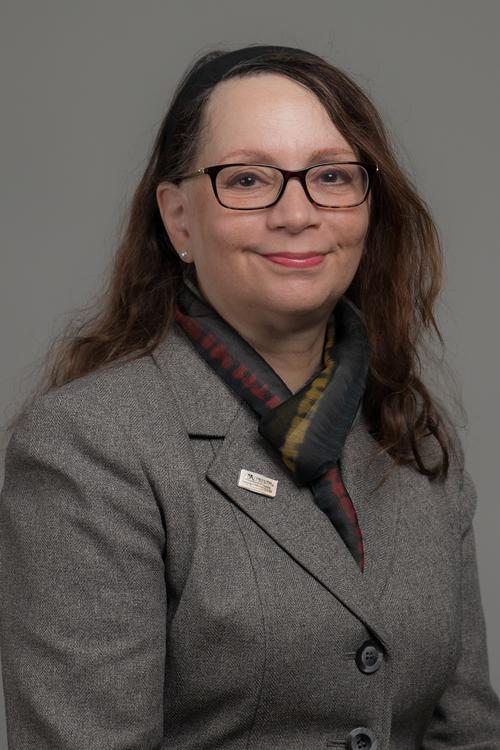
Division of Blood and Marrow Transplant & Cellular Therapy
Department of Pediatrics
Recent mentee: Germán Vélez Reyes, MD, PhD (PACCS)
Ingunn Stromnes, PhD

Department of Microbiology and Immunology
Recent mentee: Alex Tsai, MD, PhD (HOT)
Greg Vercellotti, MD, FACP
Division of Hematology, Oncology and Transplantation
Department of Medicine
Recent mentee: Zalaya Ivy, MD, MS (HOT)
Alexa Weingarden, MD, PhD
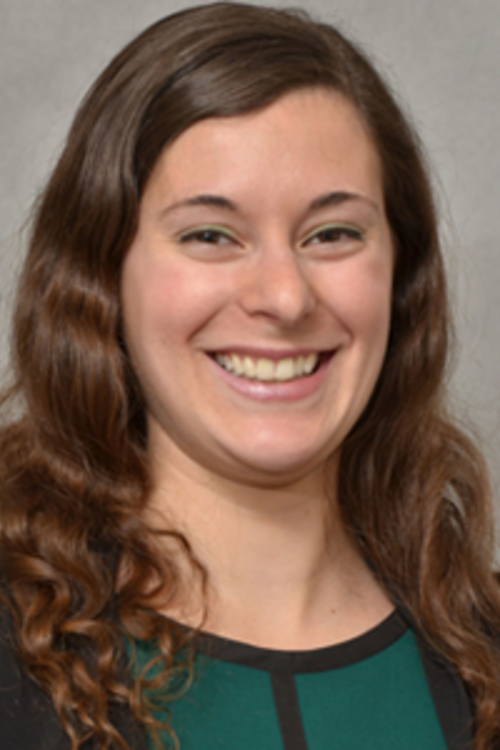
Division of Gastroenterology, Hepatology and Nutrition
Department of Medicine
Recent mentee: Tom Kaiser-Powers, MD (GI)
Jesse Williams, PhD

Department of Integrative Biology and Physiology
Recent mentee: Dunan Smart, MD, PhD (CV)
News of note
Option A for a small news blurb and link to the featured faculty member's bio.

Program Director

Program Administrator

Current trainees at a graduation event


Incoming PSTP trainee Dr. Aditya Shekhar (center) with former PSTP trainees and leaders of the cardiology division
Incoming PSTP trainee Dr. Aditya Shekhar (center) with former PSTP trainees and leaders of the cardiology division