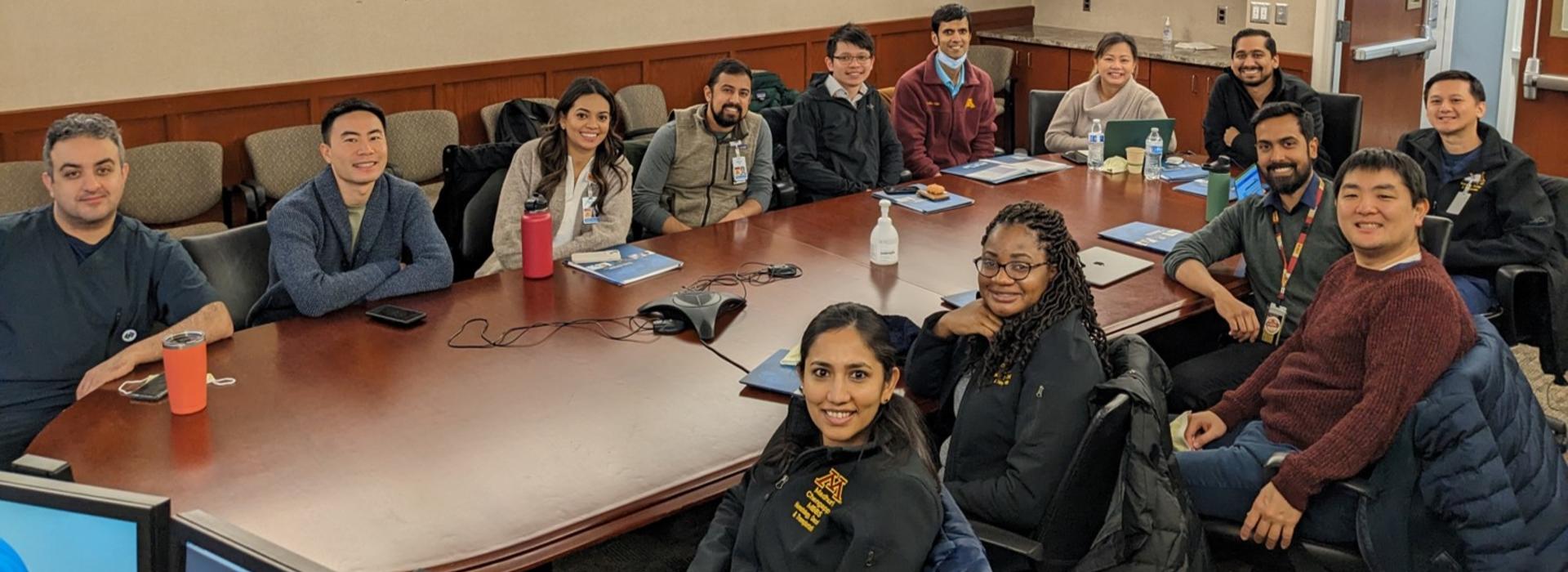
Hematology, Oncology and Transplantation Fellowship Program
We will begin reviewing applications for the 2024-2025 academic year beginning July 7, 2024, and our interview period will run September-October 2024.
The Program Director for the Fellowship Training Program in Hematology, Medical Oncology, and Transplantation is Yvonne Datta, MD. The major goal of the Fellowship Training Program is to train physicians for independent and productive academic or clinical careers. We have two career tracks within the fellowship. The traditional hematology/oncology track leads to dual-board eligibility in hematology and medical oncology and emphasizes clinical training in all areas of hematology, oncology, and transplantation. The other fellowship track provides focused training in classical hematology and is supported by a grant from the American Society of Hematology. Both fellowship tracks are three years and include training to develop the skills needed for a successful academic career in basic or clinical/population outcomes research. Both tracks are also flexible and customized according to the needs and interests of the individual fellow.
During training, fellows select hematology/oncology faculty to work with, and act as mentors, in areas of their clinical and research interests. Faculty research interests can be found here.
The Associate Program Director for the traditional hematology/oncology track is Manish Patel, DO. The goal of this track is to train fellows for careers in hematology and oncology. After the successful completion of training, each fellow will be eligible for both the hematology and oncology board exams. Within this track, fellows may choose to train broadly or to develop a more focused clinical and research expertise in any area of hematology, oncology, or stem cell transplantation. Applicants interested in classical (non-malignant) hematology are welcome to apply to both the traditional and classical hematology tracks. Applicants interested in a career in malignant hematology or stem cell transplantation/cellular therapies (e.g., CAR T-cell therapy) should apply only to the traditional track.
Year 1: Clinical Training
The goal of the first year of the training program is to provide a creative clinical environment for the fellow to develop skills and experience in the comprehensive care of cancer patients and in the diagnosis and management of hematologic diseases. The fellow will rotate on a monthly basis to clinical services at the University of Minnesota Medical Center (UMMC), Hennepin County Medical Center (HCMC), Regions Hospital, and the Veterans Administration Medical Center (VAMC). Fellows will receive a broad exposure to all aspects of hematology, oncology, and stem cell transplantation during their first year. Each fellow will be assigned a longitudinal clinic at the VAMC or HCMC.
Year 2‐3: Research and Clinical Training
During the first year of fellowship, each fellow will identify at least three mentors to serve on a career development committee and to assist the fellow in developing a career development plan to support their goals for the 2nd and 3rd years of training. Depending on project goals, clinical interests, and grant funding, the fellow will have 3-9 months of research time per year in their 2nd and 3rd years. There are competitive T32 research training funds in hematology, oncology, or health disparities available for which fellows can apply. Each fellow has the flexibility to train for a career in basic science/translational research, clinical or education research, and/or clinical care. Each fellow will participate in at least one half-day continuity care clinic throughout fellowship.
The Associate Program Director for the classical hematology track is Alexander Boucher, MD. The training leads to board eligibility in hematology and is supported by a Hematology-Focused Fellowship Training Program grant awarded by the American Society of Hematology, the only academic center in the upper Midwest with this type of funding. The overall goal of this track is to train physicians for careers in classical hematology, such as sickle cell disease and thalassemias, other congenital anemias, autoimmune hemolytic anemia and thrombocytopenia, bleeding and clotting disorders, and general consultative hematology. Fellows will have a unique opportunity to learn novel lifespan care models for adolescent and young adult hematologic disorders. Under the leadership of Dr. Boucher, this track will emphasize lifespan care of patients with hemoglobinopathies as well as bleeding and clotting disorders, with a particular focus in adolescent/young adult hematology transitions of care. Fellows will have opportunities to work closely with colleagues in other specialties, including interventional radiology, transfusion medicine, pediatrics/transitional care, and special coagulation laboratories, all of whom are already close collaborators for our complex hematology patients. Only applicants interested in life-long subspecialty careers focused on academic, multidisciplinary, classical (non-malignant) hematology should apply.
While fellows will receive the necessary training in hematologic malignancies to receive hematology board certification, the primary focus of the classical hematology track is rooted in a comprehensive, innovative, and multidisciplinary curriculum in non-malignant hematological diseases. Those applicants interested in careers in hematologic malignancies or stem cell transplantation/cellular therapies (e.g., CAR T-cell therapies) should apply for the traditional hematology/oncology track.
Year 1: Clinical Training
All fellows will spend their first year in general hematology. The goal of the first year of the training program is to provide a creative clinical environment for the fellow to develop skills and experience in the comprehensive care of patients with hematologic disorders. The fellow will rotate on a monthly basis to clinical services at the University of Minnesota Medical Center (UMMC), Hennepin County Medical Center (HCMC), and Regions Hospital. Fellows will receive a broad exposure to all aspects of hematology during their first year. This will include bleeding and clotting disorders, anemia and hemoglobinopathies, autoimmune hematologic disorders, malignant hematologic diseases, stem cell transplant, and CAR T-cell therapies. Fellows will learn to proficiently manage common disorders such as venous thromboembolism and iron deficiency anemia in an era of rapidly evolving evidence and treatment options requiring expert hematology guidance. Additionally, as one of the largest referral centers in the Midwest, fellows will gain early experience diagnosing and managing patients with rare disorders, such as paroxysmal nocturnal hemoglobinuria, porphyrias, other rare hemoglobinopathies and red cell enzymopathies, thrombotic thrombocytopenic purpura (TTP), and hereditary hemorrhagic telangiectasia. There is also limited exposure to solid tumor oncology to familiarize fellows with anti-neoplastic agents and hematologic complications of cancer.
Each fellow will be assigned a longitudinal clinic at HCMC or UMMC. Training includes rotations at the UMMC inpatient hematology consults, inpatient malignant hematology, inpatient stem cell transplant and cellular therapies service, and hematopathology, as well as inpatient and outpatient hematology rotations at HCMC. Fellows will also have exposure to general hematology/oncology at Regions Hospital and VAMC to understand the hematologic complications of non-hematologic malignancies. The general hematology continuity clinic will be at the M Health Clinics and Surgical Center.
Year 2‐3: Research and Clinical Training
During the first year of fellowship, each fellow will identify at least three mentors to serve on a career development committee to assist the fellow in developing a career development plan to support their goals for the 2nd and 3rd years of training. Depending on project goals and clinical interests, the fellow will have 3-9 months of research time per year in their 2nd and 3rd years. Each fellow has the flexibility to train for a career in basic science/translational research, clinical or education research, or clinical care. Each fellow will participate in classical hematology-focused rotations, such as hematology inpatient consults, outpatient clinic blocks at the Center for Bleeding and Clotting Disorders (CBCD), hematopathology, transfusion medicine, and vascular interventional radiology. Each fellow will participate in at least one half-day continuity care clinic throughout the 2nd and 3rd years. Fellows will be allowed a flexible schedule of research and hematology electives in two areas in lifespan hematology: 1) red cell disorders, cytopenias, and marrow failure and 2) hemostasis, thrombosis, and vascular medicine.
Fellows planning an academic career in which the majority of time is spent in research can focus on research training in clinical/population science research or laboratory/translational research. Fellows considering this option will typically have significant prior research experience. Fellows in the traditional hematology/oncology track with T32 support or individual grant support or fellows in the classical hematology track will have 18 months of dedicated research training (nine months each in years 2 and 3) and 18 months of clinical training (twelve months in year 1 and three months each in years 2 and 3). Clinical assignments will be based on the fellow’s progress in reaching required milestones. A fourth training year composed of 12 months of research training is strongly encouraged, but is contingent upon performance and obtaining funding.
Research intensive milestones by the end of fellowship year 2 include the following:
- Present research at division conferences
- Submit one abstract to and attend a national scientific meeting
- Present a poster at the annual Department of Medicine Research Day
- Complete 3 months of clinical training in areas related to research interests
Required milestones by the end of fellowship year 3 include the following:
- Submit one abstract to and attend a national scientific meeting
- Present a poster at the annual Department of Medicine Research Day
- Write and submit two manuscripts for publication
- Write and submit a career development grant application
Depending on circumstances, the career development grant application may be an application for a K award, an NRSA, or a foundation grant. Mentors will help guide these efforts. The final versions will be read and critiqued by the trainee’s career development committee.
Fellows planning a career with the majority of time spent in clinical research and care of patients will focus on developing the skills to meet the individual fellow’s goals. The balance of time spent on research and clinical training is individualized to prepare each fellow for a career in an academic, academic-affiliated, or private practice setting as desired. Clinical skills of the trainee in the traditional hematology/oncology track are honed through broad exposure to classical hematology, hematologic malignancies, medical oncology, and stem cell transplantation. Those in the classical hematology track will be exposed to all aspects of hematology, with extra emphasis on non-malignant hematologic disorders. Training will also include education in enrolling and caring for patients on clinical trials and the completion of a scholarly activity or research project. Projects can include case reports, reviews, quality improvement projects, curriculum development, clinical outcomes research, epidemiology, and clinical trial development.
Clinical research and care milestones by the end of fellowship year 2 include the following:
- Present research or scholarly project at division conferences
- Attend a regional or national research meeting
- Present a poster presentation of research, quality improvement, or clinical case report at the annual Department of Medicine Research Day
- Complete 6-9 months of clinical training
Required milestones by the end of fellowship year 3 include the following:
- Submit one abstract to and attend a regional or national research meeting
- Present a poster presentation of research, quality improvement, or clinical case report at the annual Department of Medicine Research Day
- Write and submit one manuscript for publication.
- Complete 6-9 months of clinical training in areas related to clinical interests
For those interested in an academic career, a fourth training year composed of 12 months of research training may be considered, but is contingent upon performance and obtaining funding. Mentors will help guide these efforts for an application for a K award, an NRSA, or a foundation grant.
Application Process
Timeline
We will begin accepting applications for the 2024-2025 academic year, beginning July 7, 2024. Our interview period will run from September-October 2024.
| IMPORTANT DATES | STEPS IN APPLICATION PROCESS |
| July 7, 2024 | Applications can begin being submitted electronically |
| July 21, 2024 | Deadline for receipt of completed application |
| Sept.- Oct. 2024 | Interviews conducted, applications evaluated |
| November 2024 | Rank order list certification deadline |
| December 2024 | Match results released |
| July 1, 2025 | Start of fellowship |
How to Apply
The Fellowship Training Program accepts applications only through the Electronic Residency Application Service (ERAS) and offers positions through the National Resident Matching Program (NRMP). Once your completed application has been reviewed, we will contact you regarding its status and the possibility of a visit to our institution for interviews with the program's faculty.
VISA Policy
Visa Sponsorship: The J-1 alien physician visa sponsored by ECFMG is the preferred visa status for foreign national trainees in all UMN graduate medical education programs; therefore, the Hematology and Medical Oncology Fellowship sponsors only J-1 visas. We do not sponsor H-1B visas. More information can be found on the J-1 visas.
Current Fellows
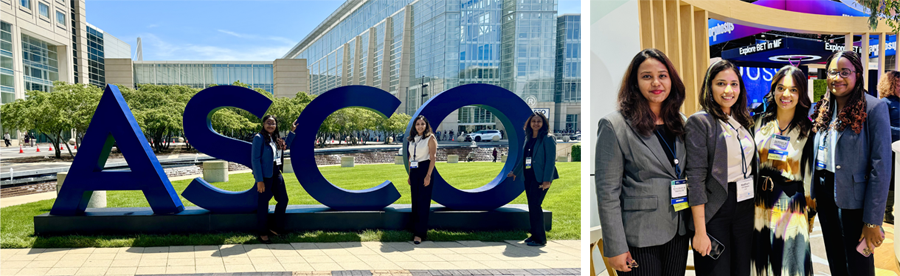
First Year
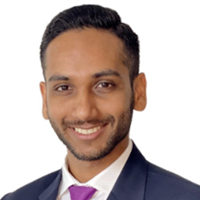
Dr. Shubham Agrawal is from Gujarat, India and earned his medical degree from Surat Municipal Institute of Medical Education and Research in India. He completed his Internal Medicine residency at Mercy Catholic Medical Center in Pennsylvania. During his residency, he was a peer elected class representative. He was drawn to the field of hematology and oncology from his medical school with a particular interest in hemostasis and thrombosis. He is very passionate about addressing hematological care gaps across various health care delivery models in rural and urban areas. He aspires to be a systems based hematologist and has had oral and poster presentations at multiple national and international conferences such as ASCO, ISTH. During his free time, he enjoys improv comedy, biking and exploring local hikes and cooking for his friends and family.
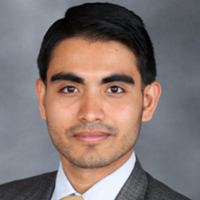
Dr. Sujan Badal was born and raised in Kathmandu, Nepal. He received his medical degree from the University of Minnesota and completed his residency at Washington State University. Prior to his medical education, he trained in basic science research at the Mayo Clinic studying protein-drug interactions, DNA/RNA aptamer design, and investigating the underlying biology of neuroendocrine tumors. Subsequently, in medical school he was selected as a Mescher scholar, where he participated in research involving checkpoint receptor (PD1) expression and function in immune (NK) cells. During residency, he was actively involved in general medicine and oncology research projects leading to several publications, conference invites, and selection as National Young Scholar in Internal Medicine by SGIM in 2024. His current clinical and research interests include hematological malignancies, immuno-oncology, and cellular therapies. Outside of work, he enjoys travel, hiking, exploring new restaurants, and spending time with friends and family.
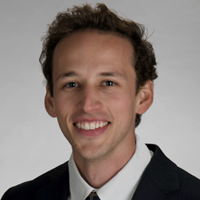
Dr. Stijn Hentzen grew up in Des Moines, Iowa and received a B.S. in biochemistry at the University of Creighton in Omaha, Nebraska. Afterwards, he attended medical school at the University of Iowa where he graduated with distinctions in research and healthcare delivery science, management, and policy. He then completed his internal medicine residency training at The University of Kansas in Kansas City where he developed an interest in quality improvement, patient safety, and cancer survivorship research. Following the completion of residency, he stayed with the KU program as a chief resident and dedicated time to the mentorship of residents and the improvement of the residency training experience. Outside of work, Dr. Hentzen enjoys spending time with his family, trying to keep up with his two very busy toddlers, being outside, playing and watching sports, and skiing.
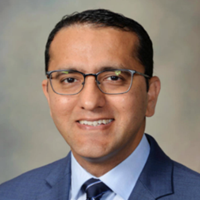
Dr. Milan Khealani earned his medical degree from Liaquat University of Medical & Health Sciences in Pakistan and completed a Master's in Sociology. He pursued his Internal Medicine residency at the Icahn School of Medicine at Mount Sinai, in New York City.
Following his residency, Dr. Khealani joined the Mayo Clinic Health System as a consultant in the Department of Hospital Medicine. In this role, he served as a floor medical director and led several leadership and quality improvement projects. His dedication to patient care earned him the Karis Award, which honors physicians who exemplify Mayo Clinic values and prioritize patient needs above all else. Additionally, he served as an assistant professor of medicine at Mayo Clinic.
Dr. Khealani has a special interest in solid oncology and has been deeply involved in research, with numerous publications in peer-reviewed journals. As a clinical preceptor and mentor, he is dedicated to educating and guiding residents and medical students.
Outside of medicine, Dr. Khealani enjoys yoga, listening to music, watching movies, gardening, and spending quality time with his family.
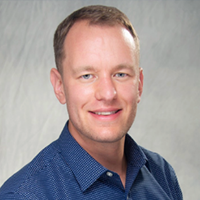
Dr. Alexander Paschke grew up in Madison, Wisconsin. Before medical school, he worked in medical informatics for the software company Epic at their headquarters in Wisconsin, leading projects at hospitals across the country. He then attended medical school at Western Michigan University in Kalamazoo, MI. He continued his tour of the midwest completing Internal Medicine Residency at the University of Iowa Hospitals & Clinics in Iowa City, IA. His research interests have included gastrointestinal and neuroendocrine tumors. He also is passionate about medical education. During residency, he notably developed and ran a day-long, hands-on simulation course for medical students to learn and practice end-of-life and palliative care skills. He places high value in the human side of medicine and has been recognized for it by patients and peers. Outside of medicine, he enjoys playing dad-rock guitar in his basement, kayaking, and spending time with his son.
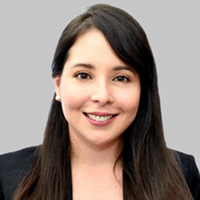
Originally born in Venezuela, Dr. Rondon Rueda obtained her MD degree at Universidad de Ciencias Medicas (UCIMED) in Costa Rica. She subsequently completed her Internal Medicine residency at Hennepin Healthcare in Minneapolis, MN. From a very early stage in her training, she knew she wanted to help patients who suffered from oncologic disease. While in Costa Rica, she experienced the importance of access to novel treatments in cancer care and collaborated towards reviews of various immunotherapies and their impact for their inclusion in the Costa Rican healthcare system portfolio. From this point forward, her interest in learning more about solid organ malignancies and their therapies continued to grow, as did her drive for advocating for the Hispanic community to overcome barriers to screening, diagnosis and dignified oncologic care. Throughout her residency, she attended ACP, MSCO, and ITMIG conferences, wrote on thoracic malignancies and continues to do research on cancer health disparities and methods to enhance survival through early detection with particular interest in gastro-intestinal tumors. Outside of medicine, she enjoys exercise, visiting state parks, watching movies, reading novels, and exploring gastronomy from different cultures.
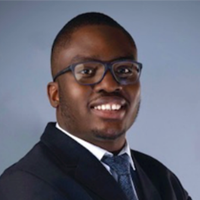
Dr. Abdulsabur Sanni is originally from Abuja Nigeria and earned his MD degree from the University of Debrecen in Hungary. He completed his Internal Medicine residency at Hennepin Helathcare, here in Minneapolis. He has known his medical journey would lead him to hematology and oncology since his second year of medical school and has interests in each area of the vast field. His benign heme interests include sickle cell disease, bleeding and clotting disorders with a special interest in pregnant persons. In malignant heme, he is interested in Myelodysolastic syndrome and Myeloprofoliferative neoplasms’s. His medical oncology interests include prostate cancer and neuro-oncology. He hopes to be a well-rounded hematologist and oncologist and aims to become a clinician educator. He has presented at national conferences like ASH, CHEST and ACP. Outside of medicine, he is an avid fan of Harry Potter and its lore, exploring regional cuisines and travelling. He joined the fellowship program in 2024.
Second Year
Nidhi Desai, MD
Nidhi Desai received her medical degree from Virginia Commonwealth University School of Medicine in Richmond, Virginia. She then completed her residency in Internal Medicine at the University of Minnesota. She has participated in research in quality of life and cancer survivorship in the field of oncology and has clinic and research interests in solid tumor oncology. Outside of work, she enjoys spending time outdoors, exploring new restaurants, painting, traveling, and spending time with family. |
Adrienne Kaufman, MD
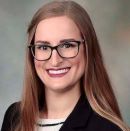
Dr. Adrienne Kaufman is a Minnesota native, growing up in Falcon Heights, MN. She received a B.A. in biology at St. Olaf College, and then Master's of Science in medical physiology at Loyola University Chicago. From there, she went on to obtain her M.D. at Western Michigan University Homer Stryker M.D. School of Medicine, and completed Internal Medicine Residency at Mayo Clinic, in Arizona. Dr. Kaufman’s research/clinical practice areas of interest are in classical hematology, particularly thrombotic microangiopathies, but additionally an interest in lymphoma and myeloma. Outside of work, she enjoys cooking, travel, hiking, board games, spending time with family and friends, and exploring new places and things. |
David Kazadi, MD, PhD
Before moving to the Twin Cities, David Kazadi called New York City home. He received a Bachelor of Arts from Hunter College of the City University of New York, focusing on Biochemistry and Interdisciplinary Studies. Later, he joined the MD/PhD program at Columbia University College of Physicians & Surgeons. His doctoral work focused on genomic maintenance during immunoglobulin diversification processes in B lymphocytes. Now as a Fellow and a PSTP member, his interests include understanding and coöpting the immune system to control disease, particularly of neoplastic nature. |
Vrushali Pachpande, MS, MBBS
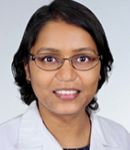
Dr. Vrushali Pachpande was born and raised in Thane, India where she received her medical degree from Rajiv Gandhi medical school. She then obtained MS in Cell and Molecular Biology from University of Houston with opportunities to learn and practice basic science research techniques. To pursue her interest in clinical medicine, she joined the Internal Medicine residency program at Guthrie/Robert Packer hospital in Sayre, PA where she also served as one of the chief residents in the final year of residency. She participated actively in patient safety and quality improvement activities. She was awarded ‘Best Resident of the Year’ in her final year of residency. Following graduation, she worked in the same hospital as an Associate in Internal Medicine, working closely with medical students and residents. She joins the classical hematology track of the program in 2023. Her interests include books, yoga, taking long walks and spending time with family and friends. |
Sujith Puskoor, DO
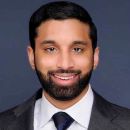
Dr. Sujith Puskoor grew up just west of Dallas, Texas. He completed his B.S. in biology, with a minor in business administration, at Texas A&M University before earning an M.S. in biomedical sciences at UNT Health Science Center. Afterwards, he attended medical school at Nova Southeastern University, where he was elected to the Sigma Sigma Phi honor society. Finally, he completed his Internal Medicine residency at Baylor Scott & White Medical Center. His passion for hematology/oncology first arose in high school and has continued to grow stronger throughout his medical career. Through his experiences, he developed a clinical interest in hematologic and solid tumor malignancies. He has presented at regional and national conferences, including ACC, ACP, ASCO, IMS, and CHEST. He feels grateful, humbled, and privileged to contribute to the care of patients in their time of need. Outside of medicine, he is a huge Dallas Cowboys and Dallas Mavericks fan. He enjoys traveling with his fiancée, hiking, kayaking, and playing fantasy football. Get to Know Dr. Puskoor in his interview for our Fellows in Focus series!
|
Third Year
Madhuri Chengappa, MD
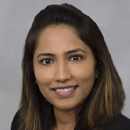
Dr. Madhuri Chengappa grew up in India, where she obtained her medical degree from Rajiv Gandhi University of Health Sciences. She worked as a post-doctoral research fellow at Mayo Clinic before starting Internal Medicine residency at Trinity Health- Nazareth Hospital in Philadelphia. She continued as the chief resident for the Internal Medicine program and was proactive in introducing many innovative ideas to help with better training, work life balance, and mentoring opportunities for residents. She has worked in bench research, clinical research and healthcare policy research. More recently, she has worked on gender disparity among guideline authors of major oncology guidelines, which was recognized at the ASCO 2021 meeting.
Outside of work, she likes archery, traveling and spending time with family.
Vikas Le-Kumar, MD
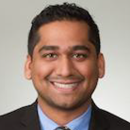
Dr. Vikas Le-Kumar grew up in California. He completed his B.A in Psychology at UCLA. He subsequently completed his M.D with honors at St. George's University. He went on to complete his residency in Internal Medicine at the Northwell Health System in Long Island New York where he served as one of the Chief Residents of Research. His area of focus was solid tumor Oncology and Malignant Hematology. Dr. Le-Kumar has several research publications and has presented at many major national conferences including ASCO, SCCM, ACP, and ATS. After residency Dr. Le-Kumar was a Senior Associate Consultant for Mayo Clinic in the Internal Medicine Department and looks forward to continuing his training in Hematology/Oncology. Outside of medicine he enjoys outdoor activities with his family including hiking and kayaking.
Go Nishikawa, MD
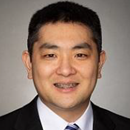
Dr. Go Nishikawa received his MD from the University of Yamanashi Faculty of Medicine in Japan. After completing his Internal Medicine training and a transitional Internship at the US Naval Hospital Okinawa in Japan, he joined the Oregon Health & Science University (OHSU) Internal Medicine residency in Portland, Oregon. He subsequently joined the Clinical Hospitalist service at OHSU. During his time at OHSU, Dr. Nishikawa published several research papers including systematic reviews on monoclonal antibodies and GI cancer. He also attended the Master of Clinical Research track at the OHSU School of Medicine, where he learned various research skills that he has implemented in his projects. He is interested in medical oncology and solid tumors, and looking forward to continuing his clinical and research training at the University of Minnesota. Outside of medicine, he enjoys baking French tarts and traditional galettes, and spending quality time with his family.
Quan Phung, MD
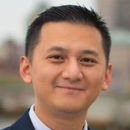
Dr. Quan Phung grew up in Northern Virginia. He completed his B.A. degree in biology and psychology at the University of Pennsylvania. After college, he worked in health policy research in Washington D.C. working primarily on evaluations for the Centers for Medicare & Medicaid Services. He attended medical school at the Virginia Tech Carilion School of Medicine in Roanoke, Virginia and internal medicine residency at Brown University in Providence, Rhode Island. His upbringing was shaped by his family’s refugee experience with the Vietnam War. This served as a call to action to work with underprivileged populations such as through a student-led free health clinic, the DC Center for LGBTQ+ advocacy, and a state-run COVID-19 homeless shelter. During residency, he collaborated with the Lifespan Cancer Institute on projects to characterize after-hour clinic needs for hematology and oncology patients, vaccines in gastrointestinal malignancies, and anticoagulation choice for patients with low-risk antiphospholipid syndrome. His interests also include racket sports, finding coffee and bubble tea shops, country music, and board games. Get to Know Dr. Phung in his interview for our Fellows in Focus series.
Nuttavut Sumransub, MD
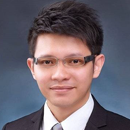
Dr. Nuttavut Sumransub graduated from medical school from Siriraj hospital faculty of medicine in Thailand. After that, he worked with the Siriraj Center of Research Excellence for Cancer Immunotherapy, Department of Immunology as a research fellow focusing on cancer immunology and immunotherapy.
Dr. Sumransub moved to the University of Minnesota, completing his residency here, and joined the fellowship program. His research focus is currently in the field of bone marrow transplantation and cellular therapy. He has interest in the impact of immune cell pattern and reconstitution on clinical outcomes in these groups of patients.
Outside of work, Dr. Sumransub enjoys soccer (as a Liverpool fan for over 20 years), exploring national parks, and hiking. Get to know Dr. Sumransub in his interview for our Fellows in Focus series.
Comfort Takang, MD, MPH
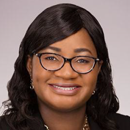
Dr. Comfort Takang obtained her medical degree with honors from the University of Yaoundé in Cameroon. She later completed an MPH at the George Washington University with emphasis on Epidemiology and Global Health where she received the Excellent Student Achievement Scholarship Award. Her MPH thesis was focused on a mobile phone app intervention to improve medication adherence among patients (MED@PHONE). She went on to complete her residency in Internal Medicine at Manatee Memorial Hospital, Florida where she served as Journal Club Committee Leader and GME representative of the hospital’s oncology committee, executive committee and patient safety committee. Inspired by her interest in research, she engaged in COVID 19 research and scientific presentations at regional and national conferences including ACP, SMA and CHEST Conference. As part of her commitment to continuous education, she assisted in developing the hematology/oncology curriculum of her residency program. Her main interests include solid malignancies and benign hematology, with a focus in Sickle Cell Disease. Dr. Takang began her fellowship in Hematology/Oncology at the University of Minnesota in July 2022. Outside of work, she enjoys traveling, engaging in medical missions, watching movies and spending time with friends and family. Get to know Dr. Takang in her interview for our Fellows in Focus series.
Nikitha Vobugari, MBBS
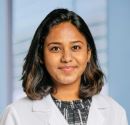
Dr. Nikitha Vobugari received her medical degree from Gandhi Medical College, Hyderabad, India. As a medical student, she received Merit Scholarship for her training. She relocated to the USA and completed her internal medicine residency at Medstar Georgetown/Washington Hospital Center, Washington, DC. Before residency, she worked as a research intern at MD Anderson Cancer Center, Houston, Texas. She was involved in a meta-analysis of immune checkpoint inhibitors’ adverse effects. During her residency, she worked on several clinical research projects, including retrospective studies, and review articles focusing on breast cancer, convalescent plasma in COVID-19 outcomes, and artificial intelligence in oncology. She completed her first year of hematology and medical oncology fellowship at Houston Methodist Hospital, Houston, Texas, and is moving to the University of Minnesota for the rest of her training in July 2023. Her current clinical interests include solid tumors, including breast and GI oncology. Her current research interests include quality of life among breast cancer survivors, post-solid organ transplant-associated malignancies, and artificial intelligence and machine learning in medical oncology. Outside of work, she enjoys dancing, traveling, and spending time with family and friends. |
Fourth Year
Alex Tsai, MD, PhD
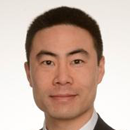
Dr. Alex Tsai is originally from the Twin Cities and completed his undergraduate degree and MS in clinical laboratory science at the University of Minnesota. He then completed his MD and PhD in the MSTP at the University of Maryland (during which time he was elected to the Alpha Omega Alpha Medical Society). His PhD thesis work focused on T cell-based immunotherapies for various malignancies, primarily melanoma. He joined the Physician Scientist Training Program (PSTP) and completed his internal medicine training at the University of Minnesota. His clinical and research interests lie in applying and advancing immunotherapies for solid malignancies. Outside of his career, Alex enjoys sports, cooking, baking, and spending time with family.
Program Director
Program Coordinator
Matt Boynton
boynt029@umn.edu
612-626-0400
Clinic Contact
612-676-4200